
A general contractor in Riyadh needed 480 porcelain toilets for four hotel towers. The first quotation looked excellent on price per unit. The problems appeared at the warehouse instead. Three bowl shapes did not match the drawings. Two trap configurations were wrong for the plumbing layout. The glaze shade varied across the pallets. Rework and replacement added roughly eighteen percent to the original budget.
The failure was not the product. It was the process around a volume order. This guide covers the process side of buying porcelain toilets in bulk, including MOQs, container economics, model consolidation, sampling, batch pricing, and inspection. Each section gives you a decision rule you can apply before you sign an order.
Why Bulk Buying Changes the Math
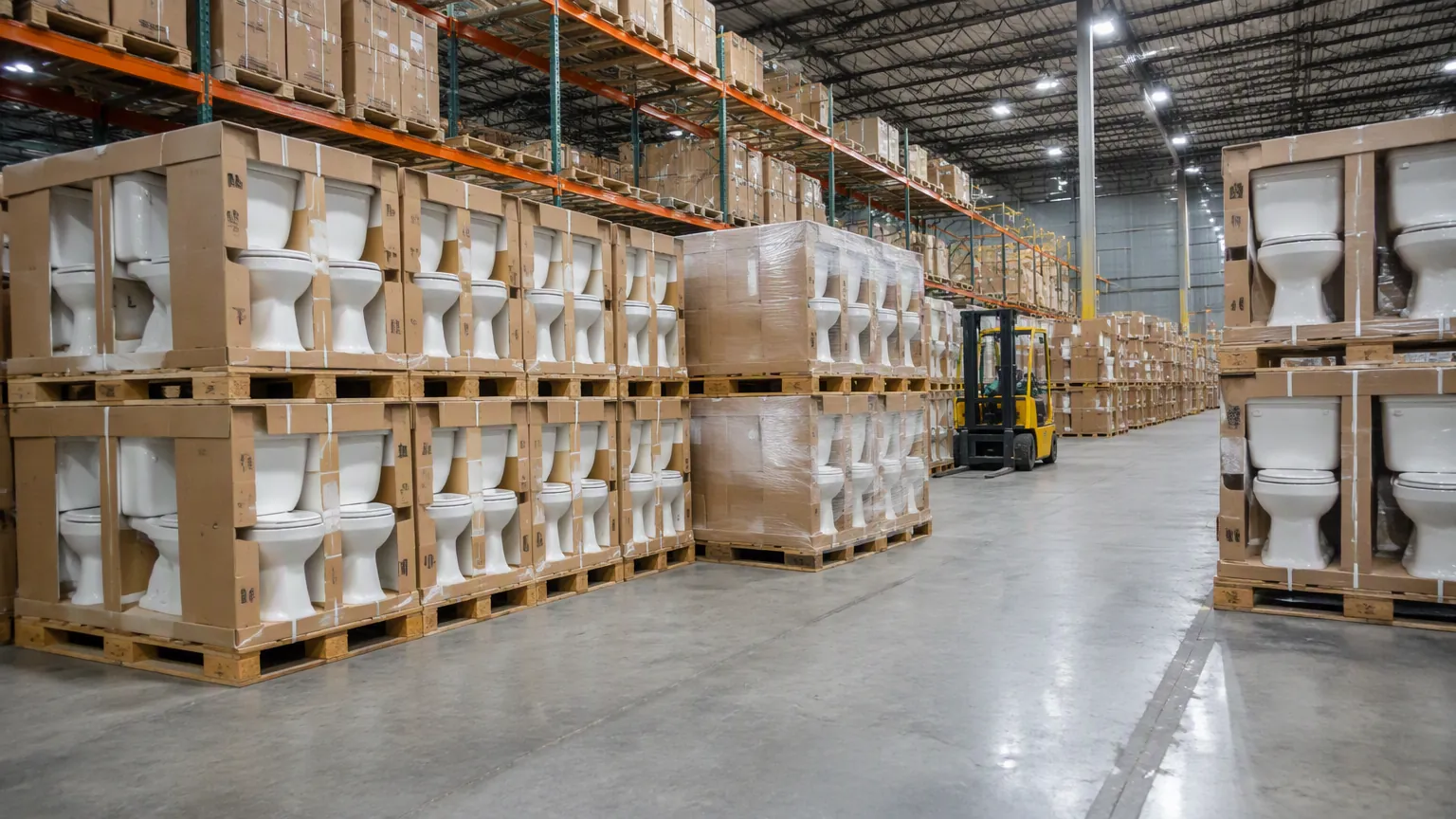
Single-unit pricing and volume pricing follow different rules. At small quantities, the factory spreads setup, mold changeovers, and packaging labor across a few pieces. At volume, those fixed costs spread across thousands of units. For this reason, the per-piece price can drop sharply between a fifty-unit order and a five-hundred-unit order.
Three levers drive most of the savings. First, MOQ alignment matches your order to the factory’s production batch and avoids changeover charges. Second, container utilization means a full load costs less per unit than LCL shipping. Third, model consolidation reduces mold setups, spare parts, and site logistics. A contractor who treats every order as a one-off leaves all three levers unused.
Porcelain Toilets and MOQs: How the First Order Works
Every factory publishes an MOQ, but the number means different things for different product lines. For porcelain toilets, the MOQ usually refers to one model per finish per production run. A common starting point is 100 to 300 units per model. Some factories accept smaller trial orders, but they charge a higher unit price.
Ask three questions before you negotiate. Is the MOQ per model or per order? Does the MOQ allow mixed loading with basins and urinals? What is the price delta between the MOQ tier and the next tier up? The answers decide whether you consolidate all fixtures into one container. Mixed loading is often the cheapest way to hit volume thresholds across a project.
A trial order of 50 units is useful for a new relationship, but the pricing will not represent your real project cost. Treat the trial as a qualification step. If the sample passes, scale to a volume tier before you commit the full project quantity.
Container Economics for Bulk Porcelain Toilets Orders
Ocean freight is priced per container, not per unit. A 40-foot high-cube container holds roughly 300 to 400 two-piece toilets in export cartons. A 20-foot container holds about half of that. Bowl shape and packaging change the exact count, so ask the factory for a loading plan before you commit.
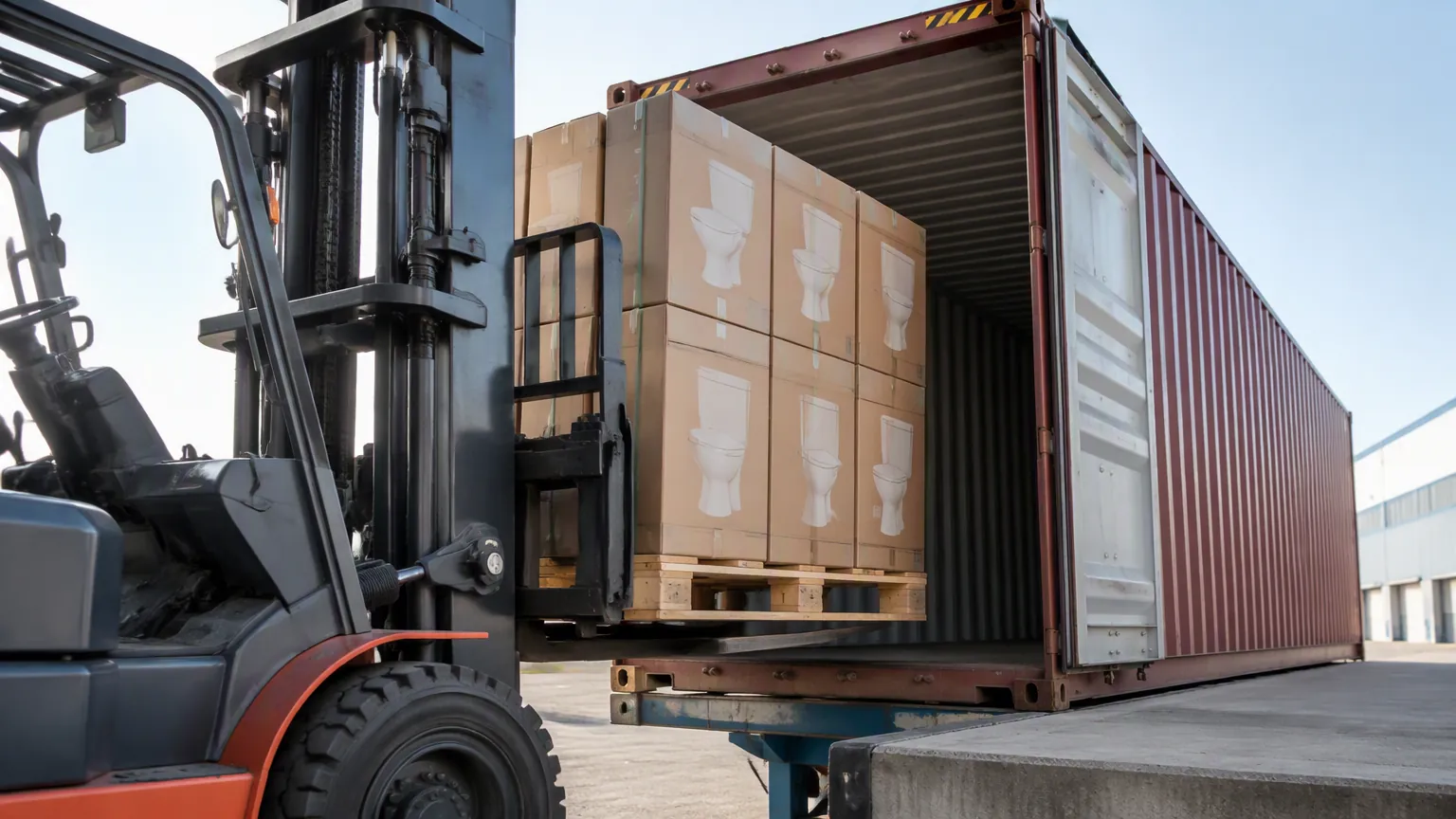
The practical implication is simple. If your project needs 480 units, one container beats a partial load plus a second small shipment. The marginal units are nearly free on freight. For mixed projects, a consolidated container from one factory usually beats multiple LCL shipments from different suppliers. The trade-off is lead time, because the factory waits for the full load to be ready.
Keep the loading plan in writing from the start. A documented plan lets you verify the count before the container seals, and it gives you a basis to claim if units arrive short. In addition, the factory should confirm the exact unit count per model in the booking confirmation.
Model Consolidation: Fewer SKUs, Fewer Headaches
Hotel and residential projects rarely need more than three toilet models. A common combination includes a one-piece dual-flush model for guest bathrooms, a two-piece washdown model for staff areas, and a wall-hung model for accessible rooms. Consolidating to this short list cuts mold changeover costs and simplifies spare-part stocking.
Every extra SKU adds setup cost and inspection points. It also raises the risk of shipping the wrong model to the wrong floor. Resist the temptation to add a fourth model for one room type. Compare the porcelain toilet buying guide if you need help choosing models in the first place.
A written model matrix is the practical tool here. List each project area, the assigned model, and the trap configuration on one page. The matrix becomes the reference for the RFQ, the inspection, and the site installation team. It also stops last-minute substitutions, because the approved model list is explicit.
Sampling and Inspection Before Bulk Porcelain Toilets Ship
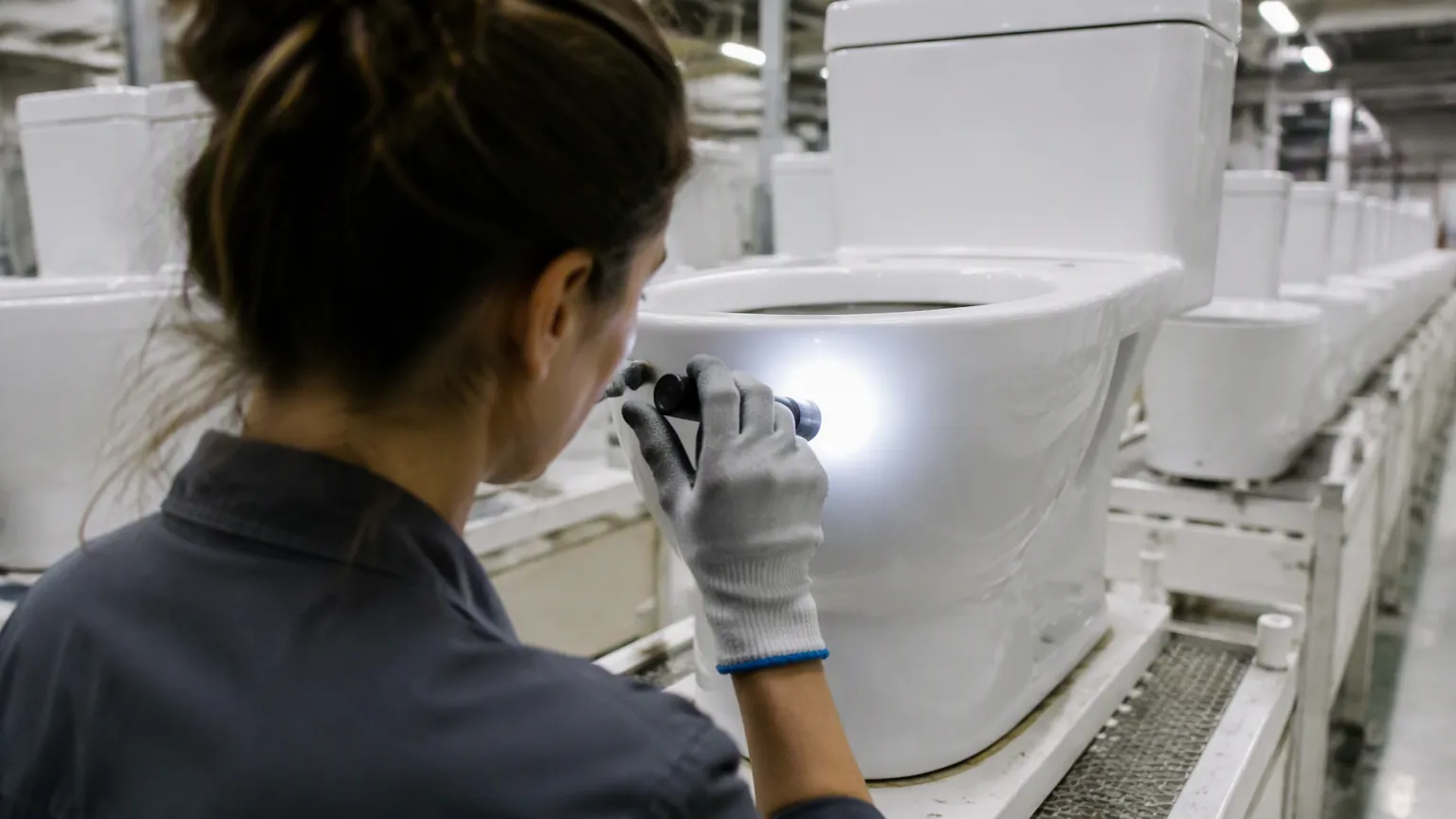
Volume orders deserve systematic inspection, not a single good sample. Start with a first article to verify dimensions, glaze, and flush performance. Schedule a mid-production check to confirm glaze consistency and packaging quality. Finish with a pre-shipment inspection using AQL sampling, typically 2.5 for major defects.
The field checks from the porcelain toilet material guide apply to every sampled unit. Tap the body and listen for a clean ring. Inspect the glaze for pinholes. Check the trapway for a smooth interior. At volume, the goal is consistency across the batch, not one perfect sample.
Keep the inspection report in the project file. The report becomes evidence if a defect dispute arises later, and it gives the factory a clear picture of what passed. Photograph each sampled unit with the carton label visible.
Batch Pricing Tiers for Porcelain Toilets
Volume pricing follows a tier structure. The indicative FOB China estimates for 2026 are shown below. These are planning numbers, not quotes.
| Quantity | Two-piece washdown | One-piece dual-flush |
|---|---|---|
| 100-300 units | $28-38 | $45-60 |
| 300-600 units | $24-32 | $38-50 |
| 600-1,200 units | $20-28 | $33-44 |
| 1,200+ units | $18-25 | $30-40 |
Ask the factory for a written tier table before you commit to a quantity. Model, finish, packaging, and exchange rates all move the final number. A written table protects both sides when the order grows.
Certifications for Bulk Porcelain Toilets
A bulk order multiplies the impact of a certification gap. If one model fails a local compliance check, the entire shipment can be held at customs. Confirm each item in writing before production starts. WaterSense or equivalent ratings cover water efficiency. IPC or local code compliance covers trap and rough-in configuration. ISO 9001 covers the factory quality system. SASO, WaterMark, or CE covers regional market entry.
For Middle East projects, SASO certification on the exact model is worth extra attention. Third-party reports for a similar model do not always cover your configuration. Verify the document against the model number on the carton. Keep a copy of each certificate in the project file alongside the packing list, so the site team can produce it quickly if customs or the client asks.
A compliance failure on a single model can delay the entire container. This check is cheap compared to the demurrage and rework it prevents.
How Project Type Changes the Spec
Different projects need different specifications. Hotels usually want quiet, durable dual-flush models with a consistent look across rooms. Residential developers tend to prefer a price-driven two-piece model with a standard rough-in. Hospitals, in contrast, need rimless designs that are easier to clean and models that meet accessibility heights. Define the project type first, then select the model list.
The porcelain toilet dimensions guide covers rough-in and ADA details. The ceramic vs porcelain comparison explains why material differences matter for lifespan. Use both before you finalize your RFQ.
Lead Time and Payment Structure
Production for a bulk order typically takes 25 to 45 days after sample approval. Sea freight adds 20 to 35 days to the Middle East or North America. Plan backwards from your site deadline and add a buffer for port delays.
Payment structure protects both sides. A common arrangement is 30 percent deposit, 40 percent at mid-production, and 30 percent before shipment. Milestone payments give you leverage when defects appear. Avoid a single large upfront payment, and put the AQL terms in the contract.
Common Mistakes When Buying Porcelain Toilets in Bulk
- Ordering by unit price instead of landed cost: the cheapest unit can be the most expensive project
- Skipping the pre-shipment inspection: defects found on site cost ten times more to fix
- Mixing trap configurations: S-trap and P-trap models look alike in photos
- Ignoring packaging specifications: cheap cartons arrive crushed and chipped
- One large payment upfront: milestone payments reduce risk for both sides
Check the wholesale two-piece toilet options if you need a baseline for trap configurations. Browse the toilet category to compare the full range before you write the RFQ.
Reading the Quotation: Unit Price vs Landed Cost
A quotation that shows a low unit price can still be an expensive order. Landed cost includes several items beyond the unit price. Export packaging, inland freight to the port, ocean freight, insurance, import duty, and last-mile delivery all add up. A factory with a slightly higher unit price can still win. Efficient packaging and a reliable container plan often beat a cheaper quote on total cost.
Ask the supplier to itemize the quotation in writing. This breakdown shows where the money goes. Separate the ex-works price from the freight and duty estimates. This separation lets you compare two factories on the same basis. It also shows you where the real cost drivers are, so you can negotiate the parts that matter.
Supplier Vetting for Repeat Bulk Orders
A one-time order and a repeat supply relationship need different checks. For a single project, sample inspection and a clean shipping record are enough. For ongoing supply, visit the factory or commission a third-party audit. Confirm production capacity, mold ownership, and whether the factory subcontracts your model to another plant.
Subcontracting is the quiet risk in bulk orders. When a factory sends your model to a partner plant, quality can drift between batches. Ask which plant produces your model and whether the glaze formula stays identical. Put the production location in the contract, and keep the right to audit. A short audit clause costs little and prevents a large variance later.
Storage and Site Handling After Delivery
The container arrives, but the risk does not end there. Porcelain toilets are heavy and chip easily. Plan the unloading with a forklift and padded slings, not manual dragging across the lot. Stack pallets on flat ground, and inspect the cartons for crush damage before you sign the delivery note.
Hold a small buffer of spare units on site. A two percent spare allowance covers transit chips and the occasional wrong rough-in without stopping the schedule. The buffer is cheaper than a rush reorder with express air freight.
Packaging Specifications That Prevent Damage
Packaging is the least glamorous part of a bulk order and the most common cause of damage claims. Standard export packaging for porcelain toilets includes a corrugated carton, foam corner protectors, and a wooden pallet with shrink wrap. The carton grade matters. A single-wall carton that works for a short domestic haul will not survive a 30-day ocean journey with stacking.
Confirm three packaging details in writing. First, the carton should carry the model number, quantity, and handling marks. Second, the pallet height should stay under the container door height with the load secured. Third, the factory should use export-grade tape and straps that resist humidity. Ask for a packaging photo or video of a trial load before full production starts.
Documentation You Need Before the Shipment
A bulk order generates a paper trail, and missing documents stop containers at customs. Build the list before production, not after. The standard set includes the commercial invoice, packing list, bill of lading, certificate of origin, and the test or certification reports for each model.
For regulated markets, add the regional document: SASO certificate for Saudi Arabia, WaterMark for Australia, or CE declaration where required. Check that the model numbers on the certificates match the cartons. A mismatch between the document and the goods is a common customs rejection, and it is entirely avoidable with a quick check.
Negotiating the Payment and Warranty Terms
The payment schedule sets the tone for the whole order. A 30 percent deposit, 40 percent at mid-production, and 30 percent before shipment gives the factory working capital and gives you leverage. Some factories accept a letter of credit for larger orders, which adds bank fees but protects both parties.
The warranty clause deserves the same attention as the price. Confirm what is covered, for how long, and how claims are handled. A typical warranty for sanitary ware covers manufacturing defects for one to two years. It usually excludes transit damage and installation faults. Keep the claim procedure simple: photos, the packing list, and a replacement or credit decision within a fixed period.
FAQs
What is the typical MOQ for porcelain toilet units from a Chinese factory?
Most factories quote 100 to 300 units per model as a starting MOQ. Smaller trial orders are possible at a higher unit price.
Can I mix toilets with other bathroom products in one container?
Yes. Most sanitary ware factories support mixed loading, and it is often the most cost-effective way to hit volume thresholds.
How many toilets fit in a 40-foot container?
Roughly 300 to 400 two-piece toilets in export cartons, depending on model and packaging.
What is AQL and why does it matter?
AQL is an acceptable quality limit sampling standard. A typical pre-shipment inspection uses AQL 2.5 for major defects.
Do I need separate certification for each model?
In most regions, yes. Water efficiency and plumbing code compliance are model-specific.
How long does a bulk toilet order take?
Production runs 25 to 45 days after sample approval, plus 20 to 35 days of sea freight.
Volume Buyer’s Checklist
- Confirm the MOQ per model, not just per order
- Request a written tier price table
- Plan container loading with other fixtures
- Consolidate to a maximum of three models
- Verify trap configuration against site drawings
- Confirm certifications for each model in writing
- Book a first-article inspection
- Schedule a mid-production check
- Run a pre-shipment AQL inspection
- Structure payments around milestones
Conclusion
Bulk orders of porcelain toilets fail on process, not on product. The contractor in Riyadh would have saved most of the eighteen percent with three documents: a model list, a trap-configuration check, and a pre-shipment inspection report. Volume buying rewards discipline. Apply the decision rules in this guide, and the numbers work in your favor.
The same discipline applies to every fixture in the project, not just the toilets. Basins, urinals, and vanities all respond to the same process: a short model list, a written specification, and an inspection gate before shipment. Once the system is in place, scaling to larger projects becomes a paperwork exercise instead of a gamble.