
You have 72 hours to finalize the toilet spec for a 200-room hotel. The procurement manager has asked one question you cannot answer from memory: “Why does this fixture cost twice as much as that one?” The difference is not the brand logo. Our porcelain toilet buying guide covers the purchasing side. This guide covers the material side. It is the body, the glaze, and the firing process that you cannot see from the outside. This guide explains what actually happens inside a porcelain factory. It also covers how to verify material quality on site, and which tests separate a 10-year fixture from a 3-year problem.
Why the Material Under the Glaze Decides the Lifespan
Every fixture in this category starts as a mix of kaolin clay, feldspar, and quartz. The mix is pressed into a mold and fired at high temperature. The body that comes out of the kiln determines how the toilet handles water, cleaning chemicals, and daily abuse. A contractor who only compares retail prices is comparing the visible shell. The real cost difference sits in the body density and glaze maturity of the fixture. For hotel, hospital, and airport projects, the material spec matters more. It is the difference between a fixture that survives a decade of harsh cleaning and one that stains in year two.
What “Porcelain” Actually Means in Sanitary Ware
The term “porcelain toilet” is used loosely in the trade. Our ceramic vs porcelain comparison digs into the label debate. That looseness creates specification errors. In sanitary ware, the meaningful distinction is between earthenware and vitreous china. Porcelain and ceramic are marketing-level labels for the same family of fired clay products.
Vitreous China: The Industry Standard
Vitreous china is a ceramic body fired at roughly 1,200-1,300°C. At that heat the glass-forming minerals melt and the body becomes non-porous. The ASTM standard for vitreous china sanitary ware sets a maximum water absorption of 0.5%. Pair this with the porcelain toilet dimensions guide to complete the spec. That absorption number is what matters for toilets. When a manufacturer says “porcelain,” they almost always mean a vitreous china body. That body passes the ASTM absorption test and survives plumbing codes.
Porcelain vs. Ceramic: Same Family, Different Finish
Ceramic is the umbrella term for fired clay products. Porcelain is a specific subcategory with denser body and lower absorption. In everyday procurement language, the two words are interchangeable for toilets. The technical requirement stays the same: the fixture must meet the vitreous china absorption threshold. If a supplier quotes a “ceramic toilet” at a suspiciously low price, ask for the water absorption test certificate. Do not accept the word “ceramic” as proof of quality.
Earthenware: The Budget Trap
Earthenware fires at lower temperatures, around 1,000-1,100°C, and stays porous. It is cheaper to produce and cheaper to buy. But it absorbs moisture, stains faster, and fails the absorption test used in most building codes. For commercial projects, earthenware toilets are a false economy because the callbacks and replacements erase the upfront saving. In short, the visible price rarely reflects the total cost.
How a Porcelain Toilet Is Made: The Process That Sets Quality
Understanding the factory process gives you the vocabulary to ask better questions during supplier audits and site visits. The quality of a porcelain toilet is fixed in five steps, and each step leaves evidence you can check.
Step 1: Body Preparation and Pressing
The clay mix is ground, blended, and pressed into shape under high pressure. Consistent pressing creates uniform wall thickness, which prevents weak spots that crack during transport or installation. High-quality factories control the moisture content of the mix to within fractions of a percent. Uneven moisture creates internal stress lines that appear later as hairline cracks.
Step 2: Drying and Bisque Firing
The pressed body is dried slowly to remove water. It is then fired once at a moderate temperature to harden into bisque. Rushing the drying stage causes warping and invisible micro-cracks. Consequently, the cheapest factories have the highest breakage rates in transit. The cracks were already forming before the crate left the warehouse.
Step 3: Glaze Application
The bisque body receives a glaze coating that becomes the waterproof, stain-resistant surface. Glaze is applied by spraying or dipping, and the thickness must be consistent across the entire surface. For example, a thin glaze at the trap entrance fails first. This glaze layer is what cleaning crews interact with daily, so its quality defines the practical lifespan of the fixture.
Step 4: Glaze Firing
After glazing, the piece returns to the kiln and fires at high temperature again. The glaze melts into a glass-like surface fused to the body. The firing curve, meaning how long the kiln holds peak temperature, determines whether the glaze fully matures. In addition, the cooling rate matters, because rapid cooling introduces stress. Under-fired glaze looks fine in the showroom. It develops crazing, the spiderweb of fine cracks that traps dirt and bacteria.
Step 5: Inspection and Grading
Finished pieces are inspected for defects, then graded as first quality or second quality. Second-quality fixtures carry small cosmetic flaws and sell at a discount, but the flaws can be structural. Always confirm the grading policy in writing. A mixed crate of first and second quality is a common way to pad margins.
The Three Numbers That Define Porcelain Quality
Three measurable properties separate a durable porcelain toilet from a disposable one. Ask your supplier for these numbers before you commit, and verify them with the tests below when the shipment arrives.
Water Absorption: The 0.5% Line
Water absorption measures how much moisture the fired body soaks up. Vitreous china stays below 0.5% by weight, while earthenware can absorb 3% or more. Lower absorption means fewer stains, less odor retention, and better frost resistance for outdoor or unheated applications. Moreover, the ASTM standard test is straightforward: weigh a dry sample, boil it in water, and weigh it again.
Glaze Hardness: The Scratch Resistance
The glaze surface is rated on a hardness scale. Higher values resist scratches from cleaning pads, dropped tools, and abrasive chemicals. A hard glaze keeps its gloss for years, while a soft glaze dulls within months in high-traffic bathrooms. Field test: draw a steel blade gently across the glaze. A quality surface leaves no visible mark, while a soft glaze shows a fine line.
Body Strength: The Breakage Resistance
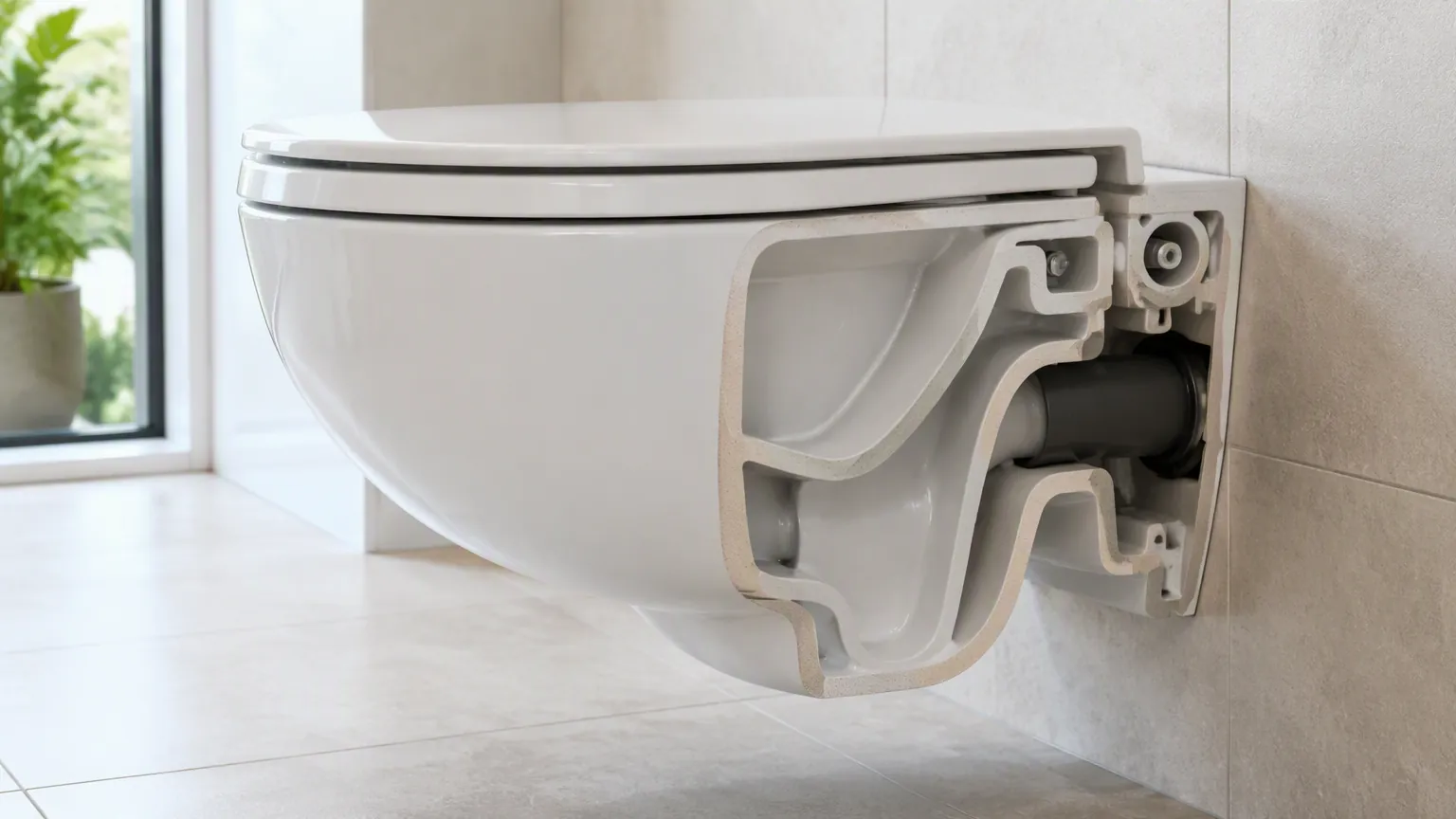
Body strength determines how the fixture survives handling, transport, and the forces of installation. The standard test loads a sample until it fractures, and better bodies break at higher loads. However, keep in mind that strength alone does not guarantee glaze quality. Wall-mounted models need stronger bodies because they carry load without floor support. The strength rating matters more for wall-hung specifications.
On-Site Inspection: How to Verify a Porcelain Toilet in Ten Minutes
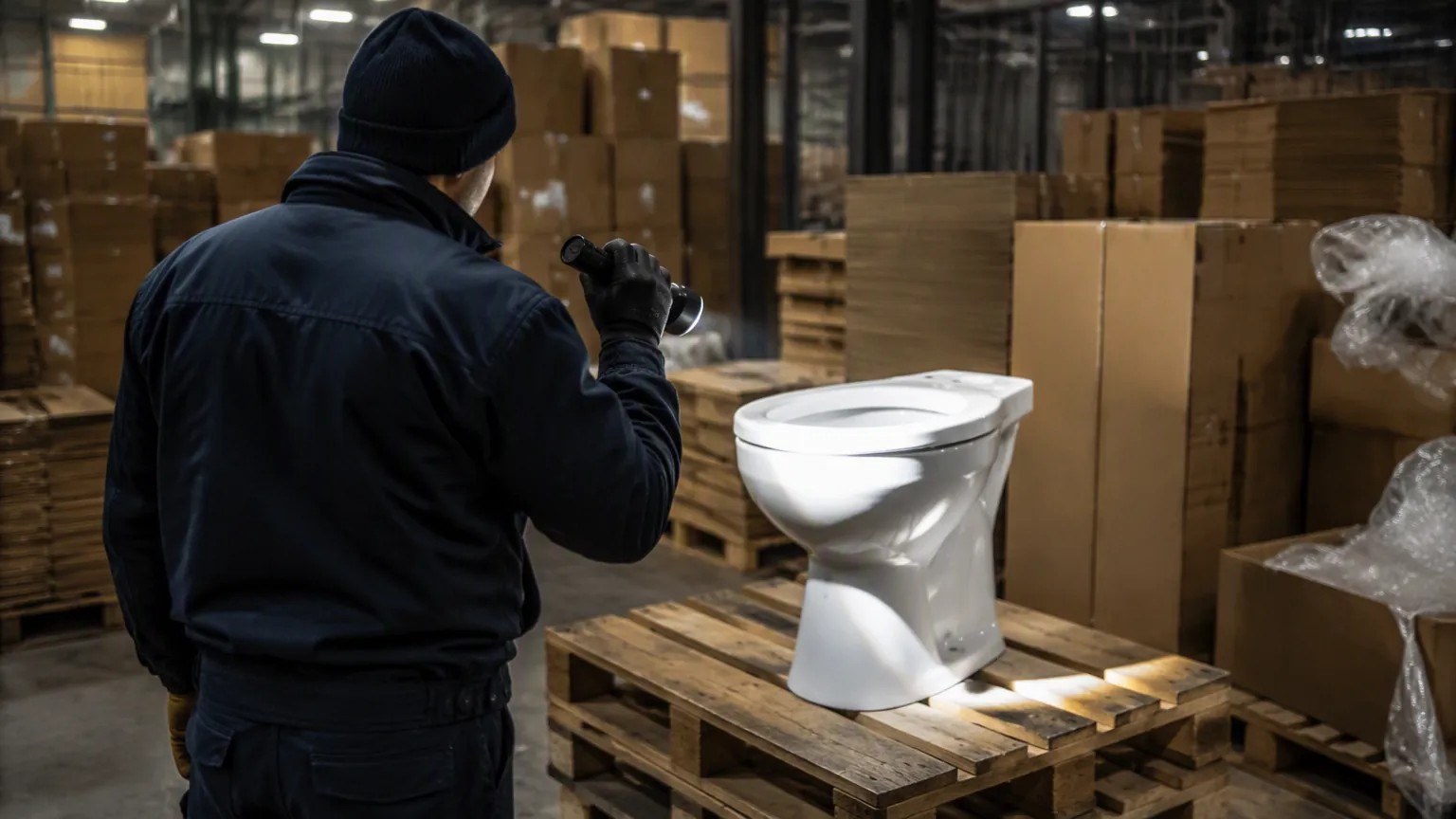
You cannot take a kiln to the warehouse, but you can run practical checks that reveal most quality problems. These five tests take about ten minutes per sample and catch the defects that photographs hide.
Test 1: The Ring Test
Tap the side of the bowl with a knuckle or a small tool. A dense, well-fired body rings with a clear, bell-like tone that lingers. A dull, thudding sound indicates under-firing or a porous body, which predicts staining and structural weakness. Compare two samples side by side and the difference becomes obvious.
Test 2: The Water Drop Test
Place a few drops of water on the unglazed rim of the trap or the base. That is where the body is exposed. On a properly vitrified body, the drops bead and stay on the surface. If the water soaks in quickly, the body is porous, which fails the absorption requirement for commercial installation.
Test 3: The Glaze Inspection
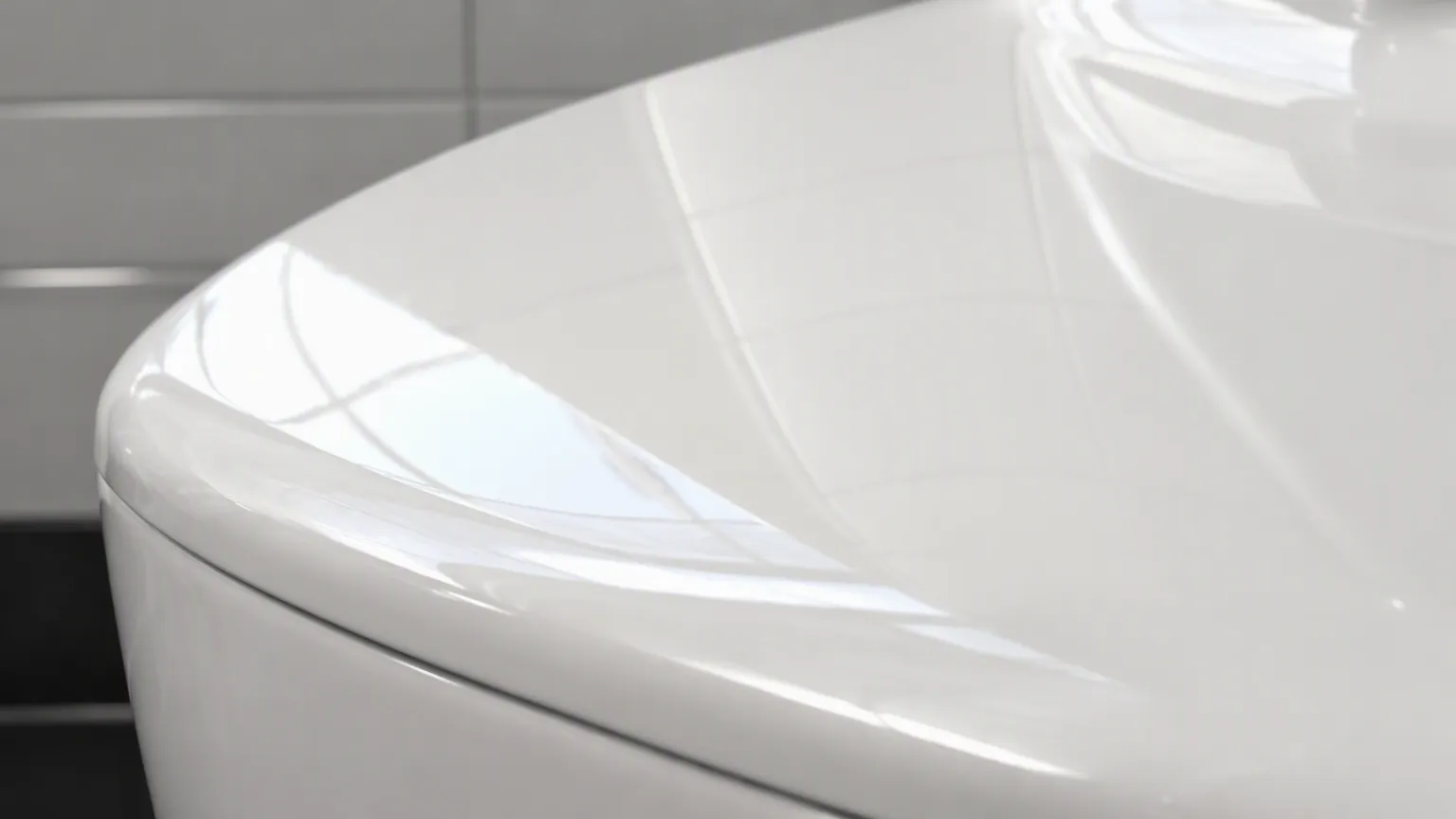
Examine the surface under bright light at a low angle. Look for crazing, the fine network of hairline cracks, and for pinholes, tiny bubbles that break the glaze surface. Both defects trap dirt and harbor bacteria. Therefore, pay special attention to the trap and the rim, the hidden areas where cheap production cuts corners.
Test 4: The Weight Check
Weigh the fixture and compare it with the specification. A dense vitreous china body is noticeably heavier than a porous body of the same design, often by several kilograms on a complete fixture. If two otherwise identical models differ significantly in weight, check the lighter one. It is almost certainly under-fired or made with a cheaper body mix. Thus, weight is a quick proxy for body density.
Test 5: The Color Consistency Check
Hold two fixtures of the same model side by side. The glaze should match in shade and gloss across the entire batch. Visible color variation between units signals inconsistent firing or glaze application, which predicts uneven wear in service.
Common Material Defects and What They Mean
Knowing the defect names helps you communicate precisely with suppliers and reject shipments with confidence.
| Defect | What It Looks Like | Likely Cause | Risk Level |
|---|---|---|---|
| Crazing | Spiderweb of fine cracks in glaze | Under-fired glaze or body-glaze mismatch | High, stains and bacteria |
| Pinholes | Tiny bubbles breaking the surface | Dirty glaze or dusty bisque | Medium, hard to clean |
| Warping | Distorted edges or uneven base | Rushed drying or pressing | High, installation problems |
| Hairline cracks | Thin lines in body, often near bolts | Internal stress from uneven moisture | Critical, structural failure |
| Blistering | Raised bubbles in the glaze | Over-firing or trapped gas | Medium, surface damage |
Why Cheap Porcelain Toilets Fail in Commercial Use
The budget fixture looks identical in the brochure, so the savings feel free. The costs appear later in predictable ways. Porous bodies absorb cleaning chemicals and darken around the waterline, soft glazes scratch and dull, and under-fired bodies crack around the bolt holes during installation. For a 200-room hotel, replacing fifty toilets in year three costs more in labor alone. That exceeds the original material saving across the whole order. The material spec is a risk decision, not a price decision, and it deserves the same care as the flush rating.
Material Standards and Certifications to Request
Your supplier should provide certificates, not promises. The standards below are the ones that matter for porcelain toilet material quality.
- ASTM C373: Standard test method for water absorption of fired ceramic whitewares. This is the test that proves the 0.5% vitreous china threshold.
- ISO 10545-3: International standard for water absorption testing of ceramic tiles and related fired products.
- ASME A112.19.2: Performance standard for ceramic plumbing fixtures, covering flush function and structural integrity.
- UL/CSA or regional marks: Required for North American projects; ask which listing applies to the exact model.
- SASO or G-Mark: Required for Saudi and Gulf projects; confirm the certificate names the model you are buying.
Cost Benchmarks: What Material Quality Costs Wholesale
Prices below are FOB China estimates for Q3 2026, assuming MOQ of 100-500 units. They reflect material grade, not brand markup.
| Grade | Water Absorption | Typical Wholesale | Best Use |
|---|---|---|---|
| Earthenware | 3%+ | $15-30 | Residential budget, short-term |
| Standard vitreous china | 0.5% | $30-60 | Residential, light commercial |
| Premium vitreous china | <0.3% | $60-110 | Hotels, hospitals, airports |
| Wall-hung models | 0.3-0.5% | $70-140 | Commercial, accessible bathrooms |
Frequently Asked Questions
Is a porcelain toilet the same as a ceramic toilet?
In sanitary ware procurement, the terms are used interchangeably for the same family of fired clay products. What matters is the technical specification, specifically the water absorption test result, not the label on the brochure.
How can I tell if a toilet is real porcelain?
Check the unglazed surfaces with the water drop test, then ring the body for a clear tone. Request the ASTM C373 test certificate from the supplier. Real vitreous china absorbs under 0.5% water by weight.
Why do cheap toilets stain so fast?
Staining usually comes from a porous body or an under-fired glaze. Moisture and minerals penetrate the surface, and cleaning chemicals react with the absorbed material. The stain is not on the surface, it is inside the body.
What is the difference between first and second quality?
First-quality fixtures pass full inspection with no visible defects. Second-quality pieces carry cosmetic flaws, and sometimes structural ones, and sell at a discount. However, the structural ones are the ones that fail on site. Always confirm the grading in writing and specify first quality in your contract.
Do wall-hung toilets need stronger material?
Yes. A wall-hung model carries the full load through the wall frame. The body and mounting points must handle forces that floor-mounted models never see. Check the body strength rating and the frame certification for wall-hung specifications.
Can I order a mixed grade crate to save money?
You can, but it is a bad idea for commercial work. Mixed crates create inconsistent quality on site, and the time spent sorting and returning defective units erases the saving. Specify one grade and enforce it.
Contractor’s Checklist Before You Order
- Confirm the body is vitreous china with documented water absorption under 0.5%
- Request the ASTM C373 test certificate for the exact model, not the range
- Specify first-quality grading in writing
- Check the glaze firing specification and the hardness rating
- Verify the model matches the rough-in and trap configuration for the project
- Ask for the SASO, UL, or regional certificate that names the model
- Confirm the breakage policy for transit damage before you sign
- Request a pre-shipment inspection report with photos
- Compare the weight against the specification to catch under-firing
- Keep one sample unit for reference during the full delivery inspection
Conclusion
A toilet is a material decision disguised as a fixture purchase. The body composition, firing process, and glaze quality decide whether the fixture lasts ten years or three. Those properties are measurable with simple tests and the right certificates. Use the absorption number, the ring test, and the inspection checklist to separate real vitreous china from cheap imitations. The spec will then survive contact with the procurement team. Finally, remember that material quality shows up in maintenance costs, not just in the purchase order. For volume orders, ask the YIDA factory product page for test certificates. Then browse the full toilet range for model options.(/p/china-wall-hung-toilet-factory-china/) for test certificates before you commit.