
For contractors, hotel developers, and bathroom wholesalers, selecting the right shower enclosure is about far more than aesthetics. It impacts installation timelines, maintenance costs, glass safety standards, and ultimately the end-user experience. With global demand for modern shower rooms continuing to rise in 2026, choosing the correct enclosure type — and a reliable wholesale shower enclosure supplier — has become a critical procurement decision.
This guide breaks down the three main shower enclosure types, their ideal use cases, material and certification requirements, and what to look for when sourcing wholesale from a manufacturer like YIDA Bath.
The Three Major Shower Enclosure Types
Sliding Shower Doors
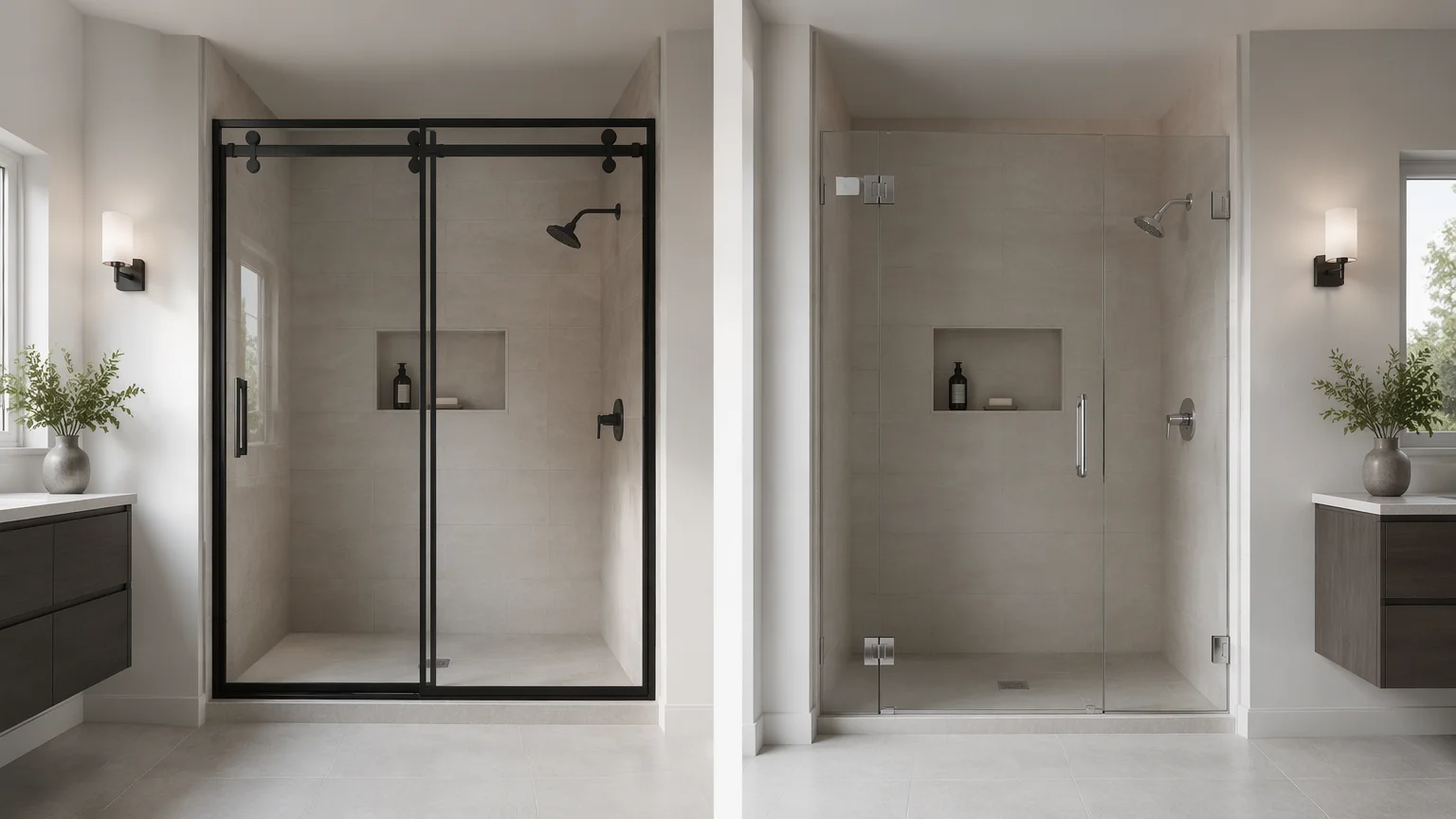
Sliding shower doors (also called bypass doors) operate on tracks mounted at the top and bottom. They require no outward swing clearance, making them ideal for tight bathrooms and space-constrained hotel rooms.
Best for:
- Small to medium bathrooms (under 4 sqm)
- Hotel guest bathrooms where swing clearance is limited
- Bathrooms adjacent to bathtubs or vanities
Key considerations:
- Track maintenance — debris can accumulate in bottom tracks over time
- Glass panels typically use 6mm or 8mm tempered glass
- Available in framed, semi-frameless, and frameless options
Hinged Shower Doors
Hinged shower doors swing open like a standard door, offering a wider entry. They come in single-door or double-door (pivot) configurations and provide a cleaner, more premium look than sliding doors.
Best for:
- Larger bathrooms with sufficient swing clearance
- Walk-in shower areas in master bathrooms
- High-end hotel suites and residential projects
Key considerations:
- Requires hinge reinforcement — use certified hardware for heavy glass panels
- Glass thickness: 8mm to 10mm recommended
- Frameless hinged doors offer the most contemporary appearance
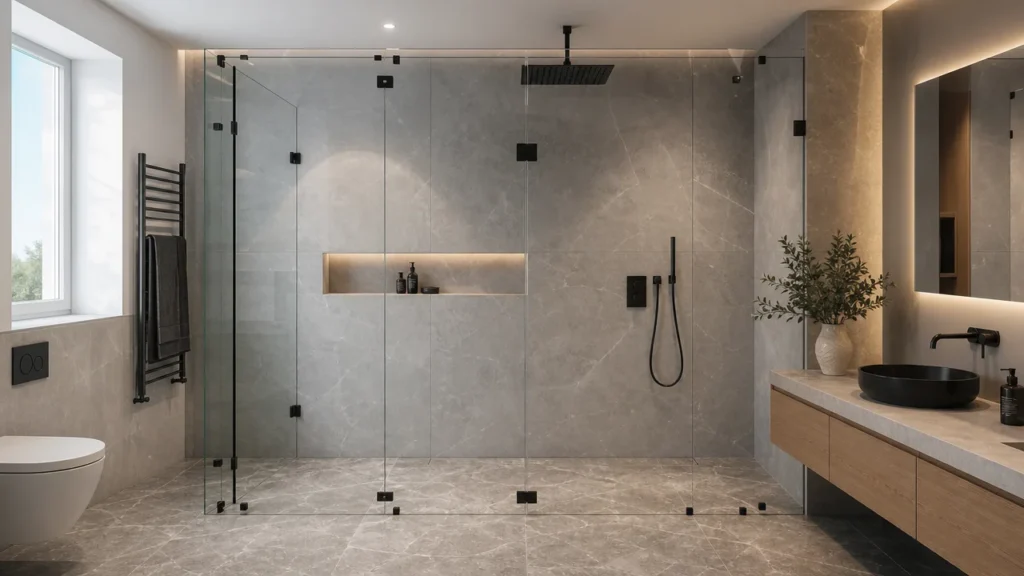
Walk-In Showers (Fixed Glass Panels)
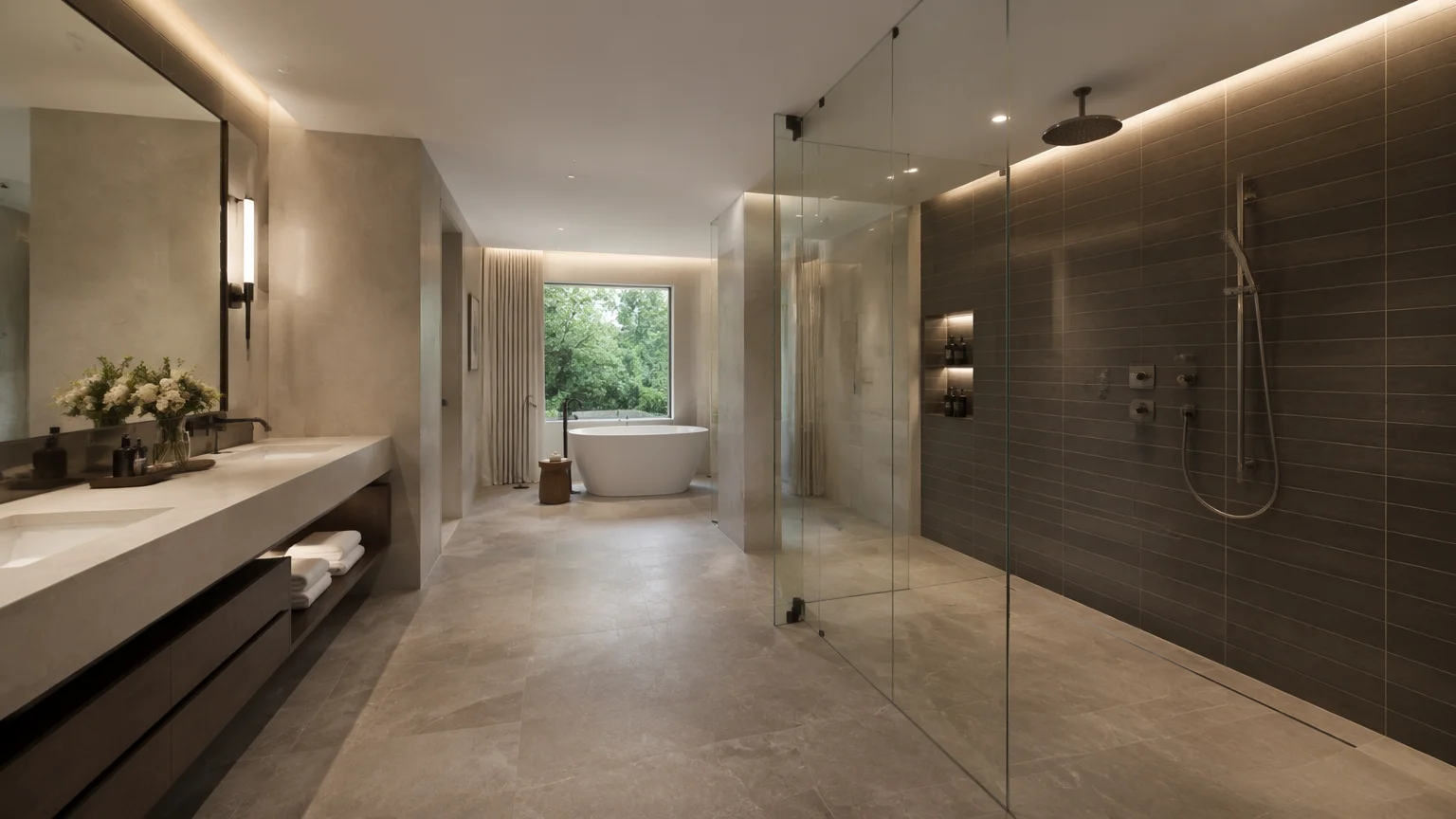
Walk-in showers with fixed glass panels (also known as wet-room screens or fixed shower screens) have no door. One or more stationary glass panels define the shower zone while keeping the rest of the bathroom dry.
Best for:
- Open-plan bathroom layouts
- Large hotel and spa wet areas
- Barrier-free / accessibility-focused designs
Key considerations:
- Requires precise water drainage planning to prevent overspray
- Fixed panel installation is simpler with fewer moving parts
- Glass thickness: 8mm or 10mm for stability without a door frame
- Most expensive upfront, but lowest long-term maintenance
Glass Thickness and Safety Standards
Shower enclosures must meet rigorous safety and durability standards, especially for commercial projects. The glass used in all quality shower enclosures should be fully tempered (toughened) safety glass.
Recommended glass thickness by enclosure type:
| Enclosure Type | Recommended Thickness | Standard |
|---|---|---|
| Sliding door (framed) | 5mm–6mm | EN 12150 / ANSI Z97.1 |
| Sliding door (frameless) | 8mm | EN 12150 / ANSI Z97.1 |
| Hinged door (framed) | 6mm–8mm | EN 12150 / ANSI Z97.1 |
| Hinged door (frameless) | 8mm–10mm | EN 12150 / ANSI Z97.1 |
| Fixed walk-in panel | 8mm–12mm | EN 12150 / ANSI Z97.1 |
All tempered glass should carry a permanent etch mark certifying compliance with local safety standards. For export projects, verify CE (Europe), cUPC (USA/Canada), and WATERMARK (Australia) certifications with your supplier.
Frame Types and Finish Options
Framed vs Semi-Frameless vs Frameless
- Framed enclosures: Full aluminum frame around every glass panel. Most affordable, best for budget projects. Available in chrome, brushed nickel, matte black, and white.
- Semi-frameless enclosures: Frame on the door panel only; fixed panels are frameless. Good mid-range option balancing cost and appearance.
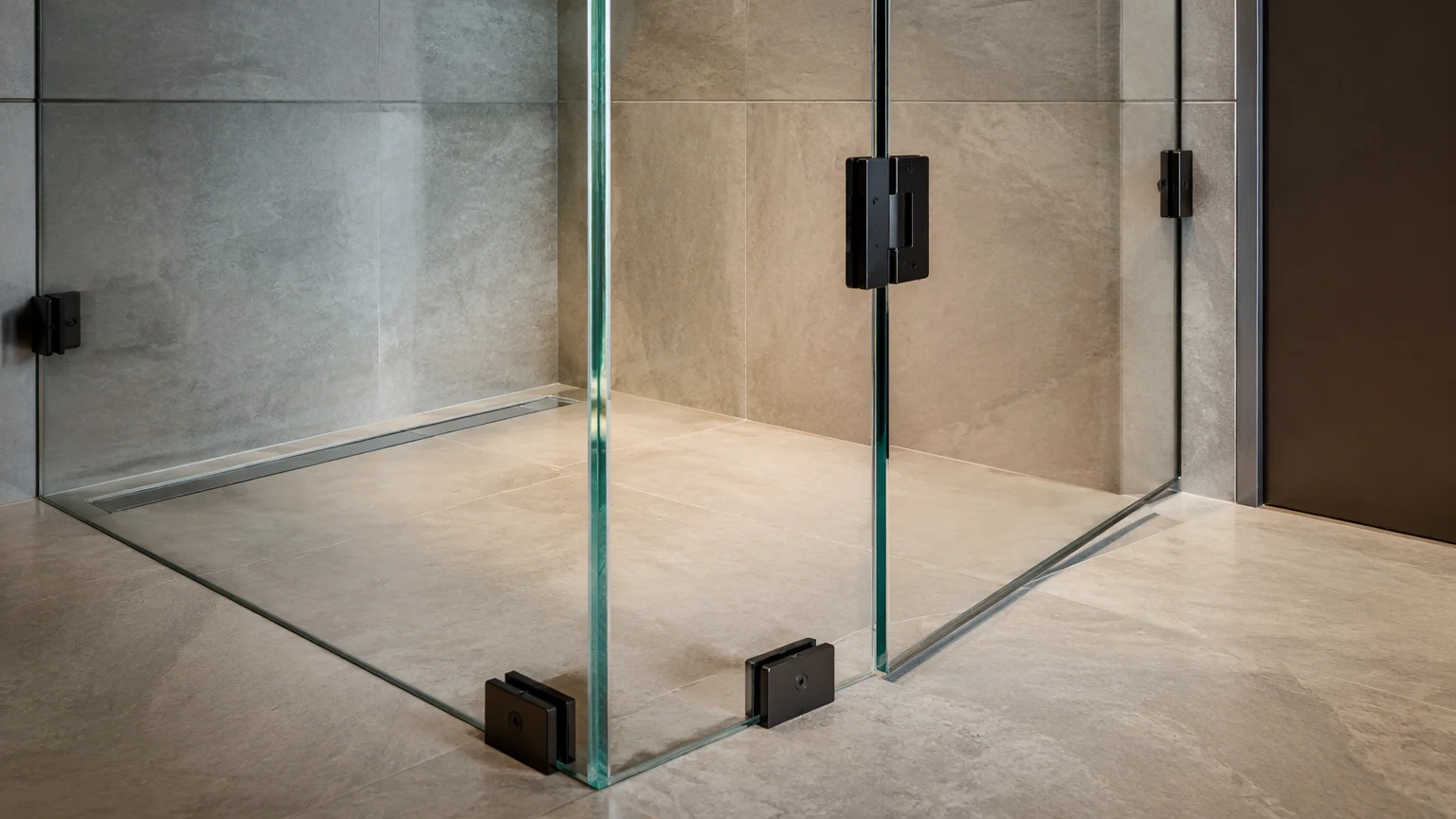
- Frameless enclosures: No metal frames — glass panels are joined by discreet hinges and clamps. Highest-end appearance, premium price point.
Finish trends in 2026:
- Matte black continues to dominate for modern and luxury projects
- Brushed nickel remains popular in North America
- Chrome is the standard budget option with wide availability
- Gold/brass finishes are gaining traction in Middle East and European design projects
How to Source Shower Enclosures Wholesale
When sourcing shower enclosures for multiple units or commercial projects, contractors should evaluate suppliers on these criteria:
- Factory capability: Does the supplier manufacture in-house? Agents add cost and lead time.
- Certification range: CE, cUPC, WATERMARK, and SASO for Middle East projects.
- Custom sizing: Standard sizes reduce cost; custom sizes matter for renovation projects.
- Packaging: Modular shower enclosures should ship flat-packed with protective foam and corner guards.
- MOQ and lead time: 50–200 units per model for wholesale; typical lead time 25–45 days.
YIDA Bath is a Chinese manufacturer with over 14 years of experience, producing comprehensive bathroom solutions including shower rooms and shower systems. With factories in China and warehousing in Saudi Arabia, Mexico, and Dubai, YIDA can support both direct shipment and regional distribution.
Installation Checklist for Contractors
Before placing your order, confirm the following with your supplier:
- Glass thickness meets local building code requirements
- Hinges and hardware are made of corrosion-resistant material (304 stainless steel recommended)
- All glass is fully tempered with visible certification etch mark
- Trackless / low-profile threshold options are available for walk-in designs
- Water seals and bottom sweeps are included for frameless panels
- Packaging complies with your shipping route (moisture barrier for sea freight)
- Spare parts (hinges, rollers, seals) can be sourced post-installation
Cost Comparison at a Glance
| Type | Unit Cost (Wholesale, FOB) | Installation Complexity | Maintenance |
|---|---|---|---|
| Sliding door (framed) | $80–$150 | Low | Medium |
| Sliding door (frameless) | $150–$280 | Medium | Low |
| Hinged door (frameless) | $200–$400 | Medium-High | Low |
| Walk-in fixed panel | $180–$350 | Medium | Very Low |
Prices are estimated FOB China and vary by glass thickness, finish, and order volume.
Conclusion
Choosing the right shower enclosure type — sliding, hinged, or walk-in — depends on your project’s space constraints, budget, and design requirements. For hotel chains and multi-unit residential developments, partnering with a direct manufacturer ensures consistent quality, competitive wholesale pricing, and reliable certification support.
References
- EN 12150-1: Glass in building — Thermally toughened soda lime silicate safety glass
- ANSI Z97.1: Safety Glazing Materials Used in Buildings
- AS/NZS 2208: Safety glazing materials in buildings (Australia/New Zealand)
- ASTM C1048: Standard Specification for Heat-Treated Flat Glass
- International Building Code (IBC) Chapter 24: Glass and Glazing