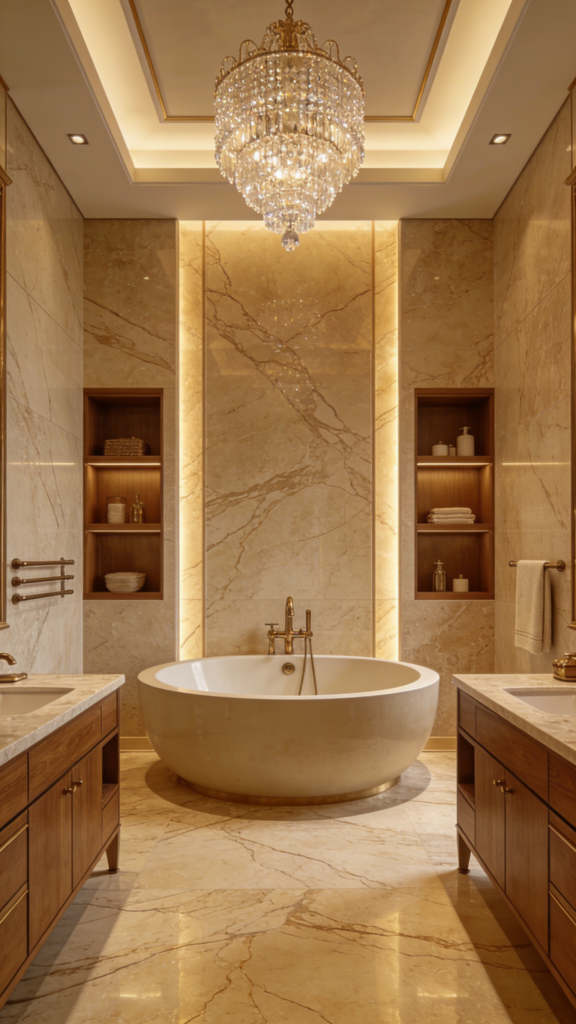

A friend of mine did this last year. He found a clearance kitchen faucet he loved, figured a faucet is a faucet, and installed it in his master bathroom. The spout jutted out so far it nearly touched the opposite rim of the basin. Meanwhile, the flow rate turned every handwash into a splash zone that soaked his shirt. And the handle, designed for quick on-off cycles while holding a pot, felt jarringly aggressive in a room where you want calm. He ripped it out two weeks later. The clearance deal cost him double by the time he bought the right fixture and patched the holes.
I have seen variations of this mistake across bathrooms in London, Dubai, and beyond. Kitchen faucets and bathroom faucets share a basic function — they deliver water through a spout. But the engineering inside them, the way they handle flow, the finishes they carry, and the job they are designed to do are fundamentally different. This article explains those differences clearly, so you buy the right faucet for the right room the first time.
1. The Core Difference Is Not the Room. It Is the Job.
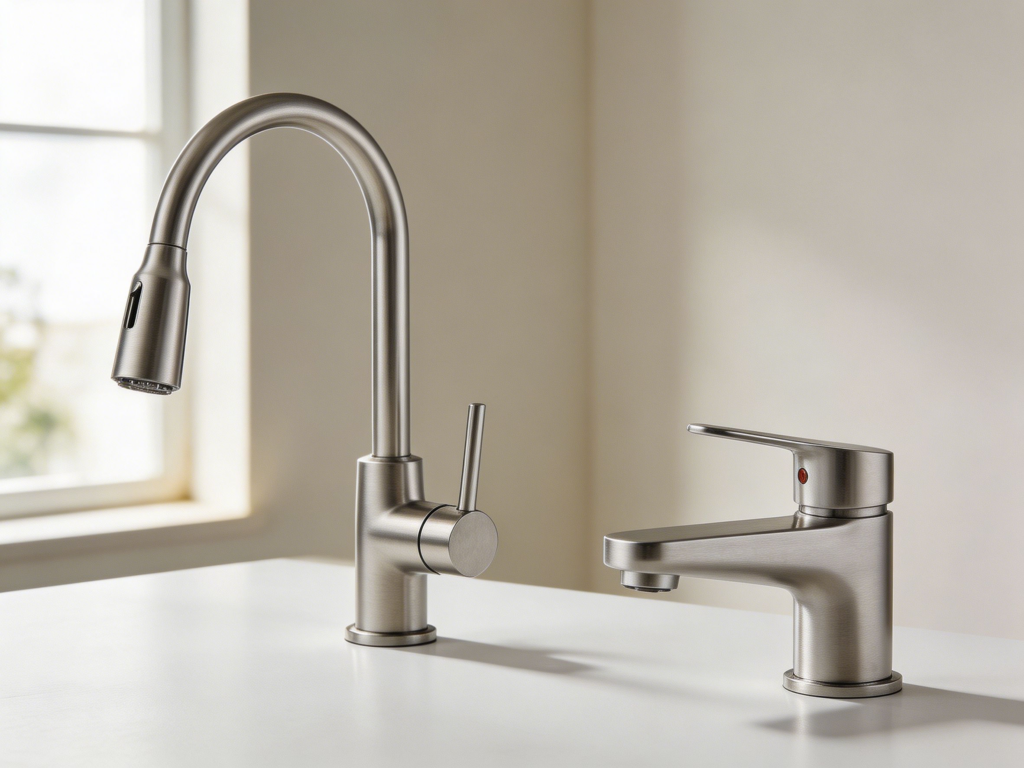
A kitchen faucet works. It fills stockpots, rinses vegetables, blasts food debris off plates, and handles hands covered in oil or flour. In short, it needs reach, power, and multiple spray modes. A bathroom faucet, on the other hand, serves a gentler purpose. It delivers short bursts of water for handwashing, face rinsing, and toothbrushing in a space where splashing matters more than sheer volume.
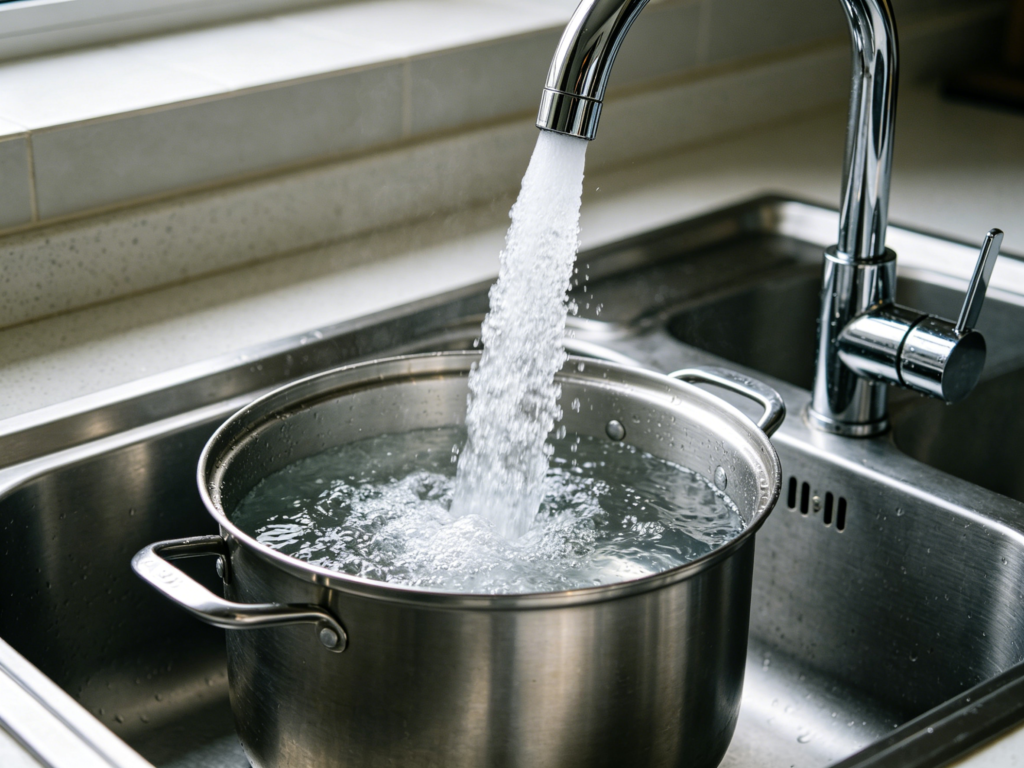
This difference drives every technical decision in the design. Kitchen faucets in the US typically deliver 1.8 to 2.2 gallons per minute. In Europe, 6 to 8 liters per minute is standard. The higher flow moves water into large containers fast. By contrast, bathroom faucets operate at 1.2 to 1.5 GPM or 4 to 5 LPM. That lower rate feels perfectly adequate for cupped hands under the stream. Put it on a kitchen sink, however, and you will grow old waiting for the pasta water to boil.
Spout height tells the same story. Kitchen faucets rise 8 to 16 inches above the deck to clear tall pots. Bathroom faucets sit lower — 3 to 6 inches of clearance — to keep the stream contained in a shallow basin. Swap them, and you get either a faucet that cannot fit a pitcher underneath it, or one that sprays water across the countertop every time you wash your face.
2. Valve and Cartridge Technology: What’s Turning Inside
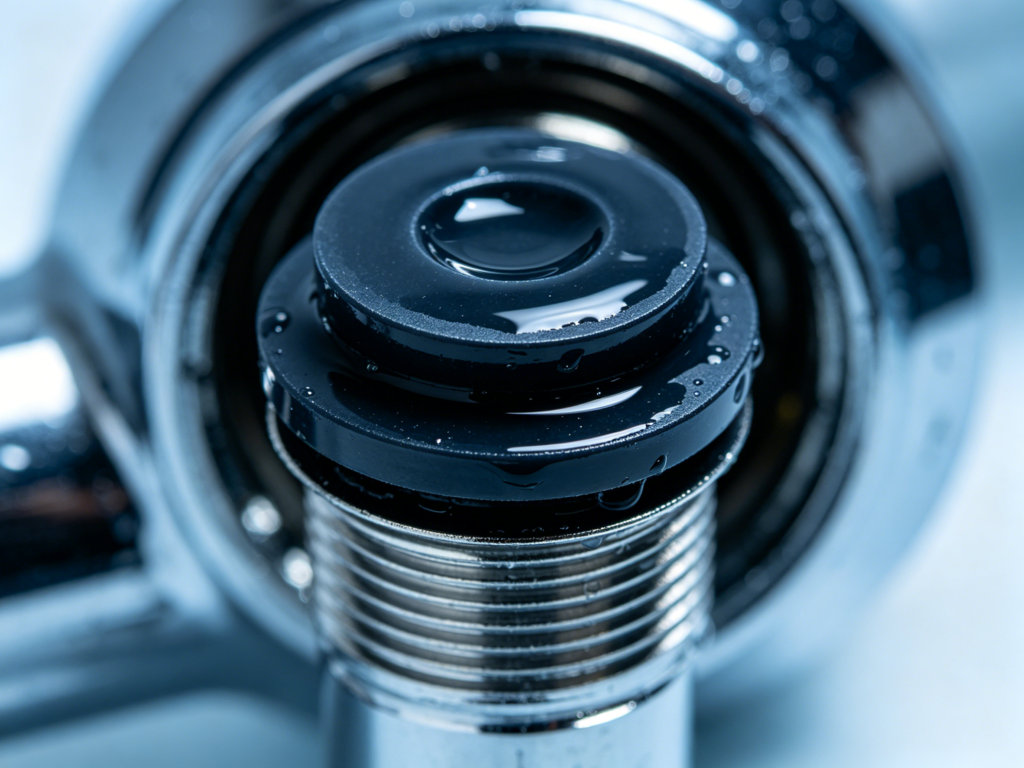
Both faucet types use ceramic disc cartridges to control flow and mixing. Two precision-ground ceramic plates rotate against each other to regulate water passage. This technology has largely replaced older compression and ball valves because it simply lasts longer and leaks less. In fact, a quality cartridge from a major supplier carries a cycle life of 500,000 cycles or more. That translates to decades of daily use.
Kitchen cartridges typically run larger — 35 mm or 40 mm diameters in single-handle models — to handle higher flow rates and wider temperature swings. One moment the water runs cold for drinking. A minute later it blasts hot to deglaze a pan. Consequently, the seals must tolerate repeated thermal shock without hardening. Leading manufacturers use peroxide-cured EPDM or silicone seals rated for continuous 90°C exposure.
Bathroom cartridges, in contrast, prioritize compact size and smooth, short-throw operation over raw thermal tolerance. A 25 mm cartridge fits inside slim, minimalist spout bodies and wall-mounted configurations. The handle travel is shorter because the user often has wet, soapy hands. When sourced from a quality manufacturer, these compact cartridges perform reliably for decades. A cheap one pushed beyond its design limits, however, will fail noticeably faster than a properly sized unit.
3. Flow and Spray Patterns: Two Philosophies, One Goal
Kitchen: Multiple Tasks, Multiple Modes
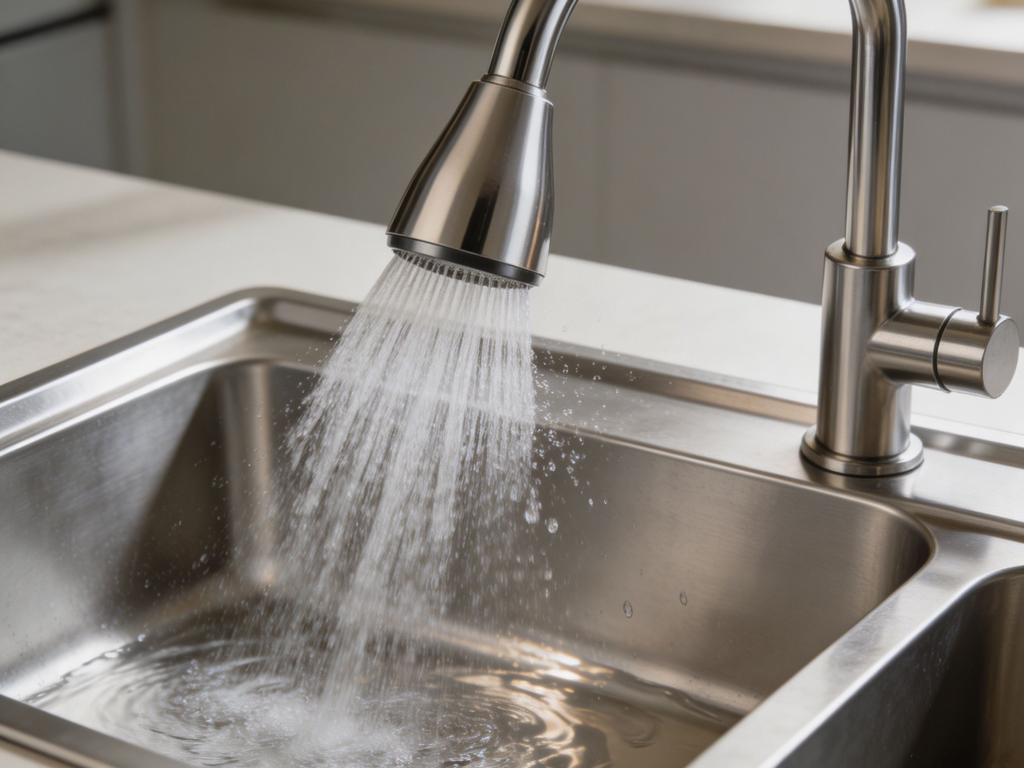
Modern kitchen faucets almost universally include a pull-down or pull-out spray head with at least two modes. A standard aerated stream fills pots cleanly. A wide shower spray rinses food debris and reaches sink corners. Some models also add a blade spray specifically for blasting stuck-on messes from cookware.
The diverter mechanism that switches between modes matters more than anyone talks about. Cheap faucets use a rubber diverter that hardens under hard water minerals and eventually fails to hold spray mode. As a result, you end up pressing the button repeatedly because it keeps popping back. Quality faucets, on the other hand, use a ceramic or stainless steel diverter. This design resists mineral buildup and maintains consistent mode retention for the life of the faucet.
Bathroom: One Stream, Done Well
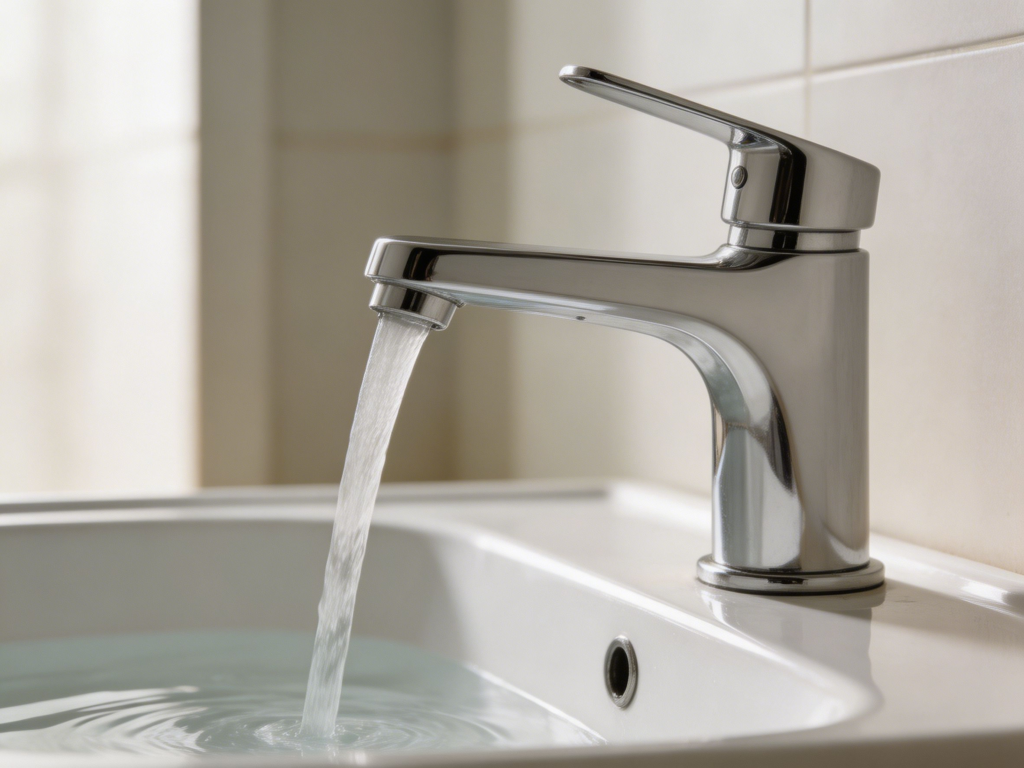
A bathroom faucet rarely needs more than one flow pattern. The standard aerated stream, produced by a pressure-compensating aerator, delivers a soft, splash-free flow ideal for handwashing. The aerator mixes air into the water, creating a full, white stream that feels generous even at low flow.
Noise matters more in bathroom faucets than kitchen faucets. Bathrooms sit next to bedrooms. A faucet that hisses or rattles at dawn wakes people up. For this reason, quality bathroom faucets include flow-straightening inserts inside the spout to reduce turbulence noise. In addition, the aerator is tuned for quiet delivery.
4. Mounting: What Goes Where, and Why It Matters
Kitchen Mounts
Most kitchen faucets mount through one, two, or three holes in the sink deck or countertop. A single-hole mount is the standard for modern pull-down and pull-out designs. Meanwhile, three-hole mounts accommodate bridge faucets with separate hot and cold handles plus a side sprayer. Access underneath the sink is required for tightening the mounting hardware and connecting supplies. A basin wrench earns its cost here.
Bathroom Mounts
Bathroom faucets offer more variety, and the choice affects daily usability as well as installation.
Deck-mounted bathroom faucets sit on the basin or countertop. Widespread models use three separate holes, giving you flexibility to position handles at a comfortable spread. Centerset and single-hole designs, on the other hand, pack everything into a tight footprint for smaller basins.
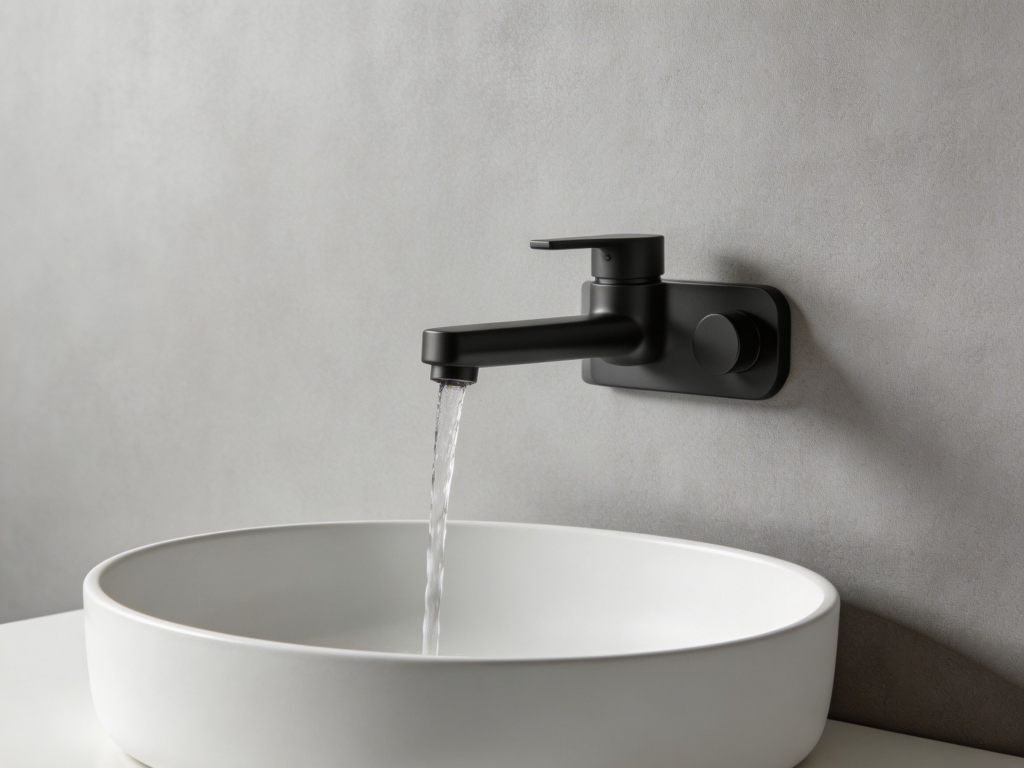
Wall-mounted bathroom faucets keep the countertop completely clear, simplify cleaning, and work beautifully with vessel basins and wall-hung vanities. However, the rough-in valve must be set at precisely the right depth before the wall is closed. A valve too deep prevents the trim from seating. A valve too proud, meanwhile, creates an expensive wall chase. I always tell people to buy the rough-in valve early and hand it to the plumber before the tiler starts.
5. Materials, Finishes, and What Destroys Them
Kitchen faucets face cooking oils, acidic foods, abrasive cleaners, and the occasional scouring pad. The finish must be hard and chemically resistant. Chrome remains the most durable kitchen finish. PVD finishes — matte black, brushed gold — match chrome’s durability when properly applied through physical vapor deposition. Powder-coated imitations, however, fail visibly within a year or two.
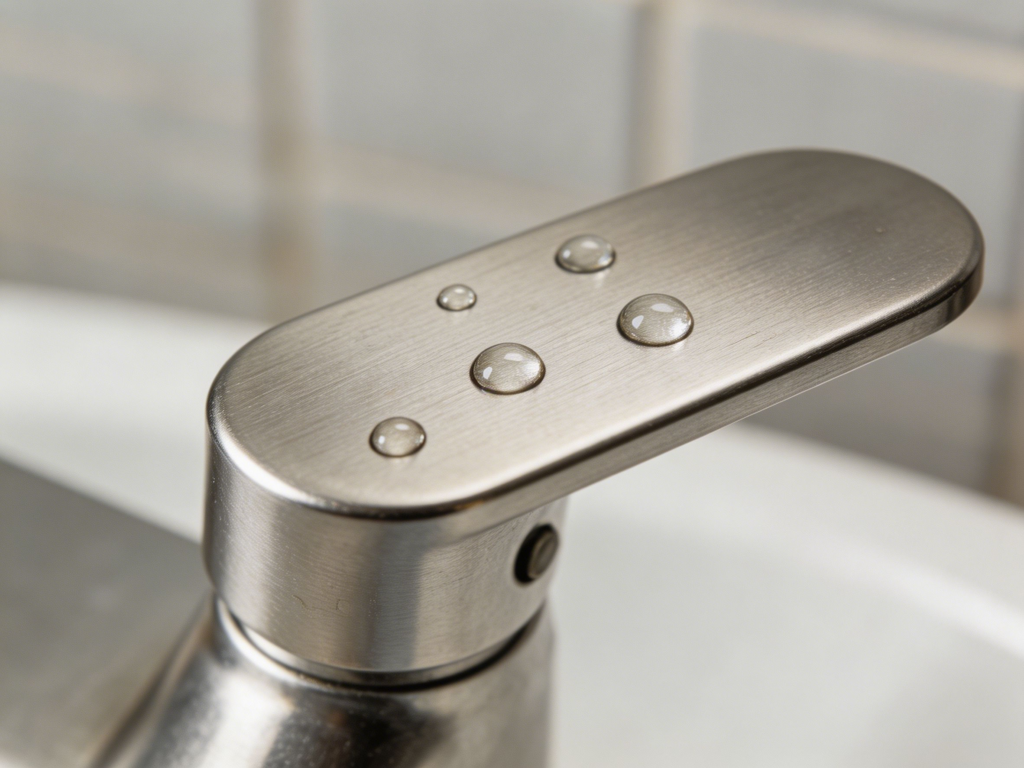
Bathroom faucets face a different enemy: mineral deposits and humidity. Hard water minerals etch into lower-quality finishes over time, leaving white spots that will not wipe away. Brushed nickel and brushed stainless finishes dominate bathroom specifications because they hide water spots and fingerprints far better than polished chrome or glossy black. In the Middle East, where hard water and coastal humidity combine aggressively, PVD gold and rose gold finishes must pass CASS salt spray testing of at least 100 hours. Electroplated alternatives, in contrast, pit and discolor within eighteen months.
6. Smart Features: Where the Innovation Is Heading
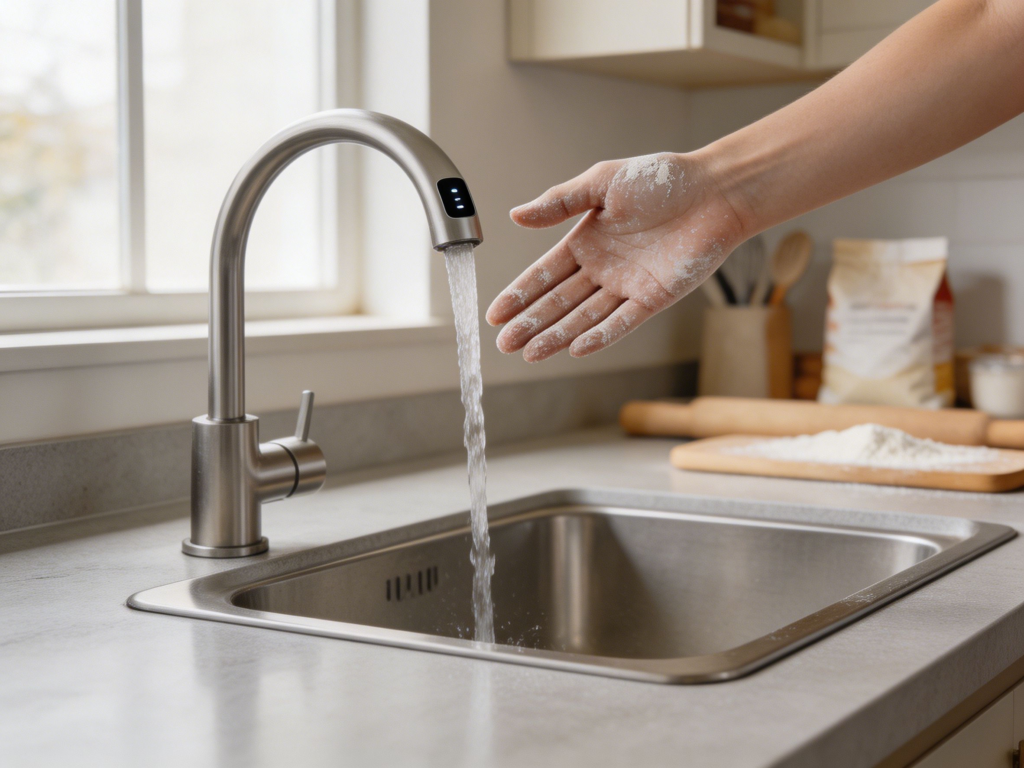
Smart kitchen faucets use capacitive touch — tap anywhere on the spout and water flows. This is genuinely useful with messy hands. Voice-activated dispensing, where you say “dispense two cups” and the faucet delivers, is gaining ground in the US and parts of Europe. The solenoid valve that controls flow is the component to watch. Quality units use a latching solenoid that holds its state without continuous power draw.
Smart bathroom faucets, on the other hand, lean toward touchless operation. An infrared sensor detects hands and activates flow automatically, which is why you see it in commercial bathrooms and increasingly in residential powder rooms. Digital temperature control lets you set an exact temperature and maintain it regardless of pressure fluctuations elsewhere in the house. For families with young children or elderly members, this is a genuine safety feature, not a gimmick.
7. Regional Differences Worth Knowing
Europe drives water efficiency across both categories. The EU Water Label pushes kitchen faucets to 6–8 L/min and bathroom faucets to 4–5 L/min, with eco models reaching 3–4 L/min. Wall-mounted bathroom basin mixers, furthermore, are standard in Germany and Scandinavia.
The Middle East favors professional-style kitchen faucets with high-arc goosenecks and gold PVD finishes. Water conservation regulations in Dubai and Abu Dhabi increasingly mandate flow rates of 4–5 L/min for bathroom faucets, with engineered spray patterns that maintain a luxury feel despite lower flow.
Southeast Asia needs corrosion resistance above all. Stainless steel faucet bodies in grade 304 or 316 resist tropical humidity and coastal salt air better than standard brass. Pressure-compensating aerators, in addition, are essential because many homes use roof tanks and booster pumps with highly variable pressure.
The Americas lead in smart kitchen faucet adoption — touch and voice control are moving from novelty to normal in mid-to-upper remodels. In bathrooms, widespread deck-mounted faucets in brushed nickel or matte black dominate. Latin America, meanwhile, prioritizes durability and local spare parts availability above flashy features.
8. Five Questions to Ask Before You Buy
- What room is this for? Kitchen = pull-down or pull-out with spray. Bathroom = centerset, widespread, or wall-mounted. This answer eliminates 80% of the options immediately.
- What cartridge does it use? For kitchens, demand a ceramic disc cartridge rated for 500,000+ cycles with high-temperature seals. For bathrooms, ensure the cartridge size fits the faucet body and the seals match your hot water temperature range.
- Is the finish built for this environment? Kitchen = hard chrome or verified PVD. Bathroom = water-spot-resistant brushed nickel or matte finishes. If you want black or gold, confirm PVD, not powder coating.
- What is my water pressure and flow rate? Measure before you shop. A high-flow kitchen faucet on a gravity system disappoints. Similarly, a bathroom faucet without a pressure-compensating aerator splashes unpredictably in a building with a pump.
- Can I get spare parts locally? A proprietary cartridge with a three-week lead time from another country is a future headache. Standard sizes and local distributor stock make maintenance far simpler.
Final Thoughts: Buy for the Room, Not the Clearance Tag
My friend learned the hard way that a faucet is not just a faucet. The wrong one in the wrong room costs more than money. It costs time, frustration, and the quiet irritation of using a fixture that fights you every time you turn it on.
Kitchen faucets are workhorses. Buy for reach, flow, and spray versatility. Bathroom faucets are precision instruments. Buy for smooth operation, splash control, and quiet delivery. Both categories offer excellent options at every budget. The trick is knowing what separates a well-engineered faucet from a cosmetic copy. Now you know. Buy once, buy right, and move on to the next project.g what separates a well-engineered faucet from a cosmetic copy. Now you do.