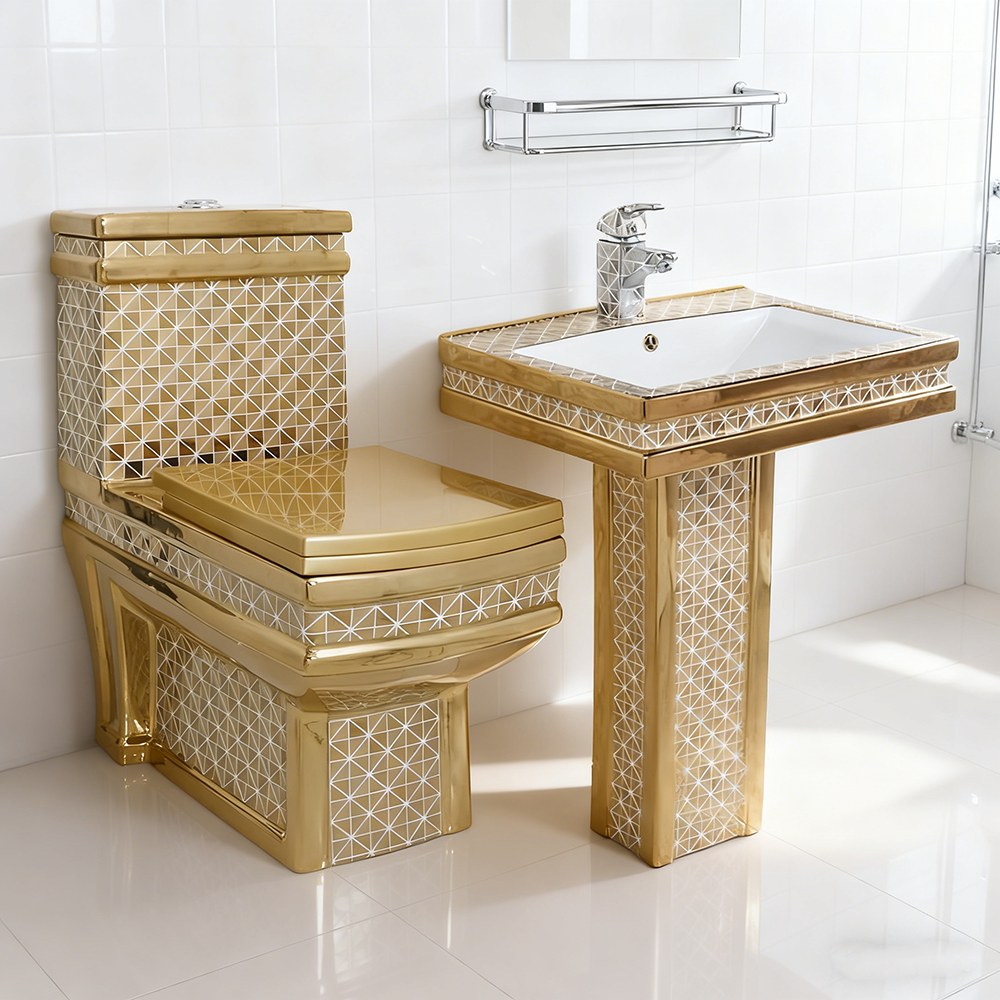
In Arabic, although both حَمَّام and مِرْحَاض refer to toilets, they differ in meaning, usage, and regional preferences. Understanding these subtle differences not only enriches your vocabulary but also deepens your understanding of Arabic culture and history. Mastering these nuances will allow you to communicate better in different Arabic-speaking regions.
حَمَّام and مِرْحَاض
1. حَمَّام (Ḥammām)
Meaning: Originally referring to a “bathroom” or “Turkish bath,” it generally refers to a “toilet” in everyday speech.
Usage Scenarios:
Common Spoken Language: This is the most commonly used word in most Arab countries (such as Egypt, the Levant, and the Gulf states).
Euphemistic Expression: More polite than directly using “مرحاض,” similar to “restroom” in English.
Example:
“أَيْنَ ٱلْحَمَّام؟” (Ayna al-ḥammām?) – “Where is the toilet?”
2. مِرْحَاض (Mirḥāḍ)
Meaning: Specifically refers to “toilet” or “urinal”, emphasizing the toilet facility itself.
Usage Scenarios:
Written or formal occasions: such as signs, architectural drawings.
Specific reference: Used when explicitly referring to a toilet (such as cleaning or repair).
Note: In some regions, using this word directly may be considered blunt or rude.
Example:
“ٱلْمِرْحَاضُ مَسْدُودٌ” (Al-mirḥāḍ masdūd) – “The toilet is clogged.”
3. دورة المياه (Dawrat al-Miyāh)
Meaning: Literally “water circulation,” formally meaning “toilet.”
Usage Scenarios:
Formal Occasions: Commonly seen in public place signs, official documents, or news.
Universally Understood Across Dialects: Understood in almost all Arab countries.
Example:
“ٱلْحَمَّامُ فِي ٱتِّجَاهِ دورة المياه”(Al-ḥammām fī ittijāhi dawrat al-miyāh)—— “The toilet is in the direction of the washroom.”
4. بيت الراحة(Bayt al-Rāḥa)
Meaning: Literally means “comfortable home,” a euphemism for “lounge.”
Usage Scenarios:
Very formal or classical usage: Rarely used in modern everyday conversation, possibly appearing in literary or elegant settings.
Specific identifiers: Such as high-end hotels or restaurants.
5. تواليت(Twālīt)
Meaning: A loanword from the French “toilette.”
Usage Scenarios:
Used in certain regions: such as North Africa (Morocco, Algeria), areas heavily influenced by French.
Informal spoken language: More commonly used by young people or urban residents.
6. بيت الخلاء (Bayt al-Khalā‘)
Meaning: An old term for “toilet” in Classical Arabic, literally meaning “open space”.
Usage Scenarios:
Religious or Classical Contexts: Such as when referring to toilet etiquette in Islamic jurisprudence.
Rarely Used in Modern Times: Basically no longer used in everyday conversation.
Summary of Differences
Words | Usage Scenarios | Semantic Emphasis | Politeness
حَمَّام | General spoken language, everyday conversation | Refers to toilet/bathroom | Polite/Euphemistic
مِرْحَاض | Formal term, specifically refers to the toilet itself | Neutral (Direct)
دورة المياه | Public place signage, formal written language | Toilet facilities | Formal/Neutral
بيت الراحة | Elegant occasions, classical expression | Lounge/Restroom | Very formal
تواليت | North African colloquialism | Loanword for “toilet” | Neutral
بيت الخلاء | Religious or classical texts | Former term for “toilet” | Classical/Outdated
Cultural Tip:
When asking about restrooms in public, using “حَمَّام” is the safest option and is almost guaranteed to avoid misunderstanding.
Avoid using “مِرْحَاض” directly in formal settings, as it may be considered impolite.
Some countries (such as Saudi Arabia) may more commonly use “دورة المياه” as a symbol.
Understanding these differences will help you communicate more appropriately in different Arab regions!