
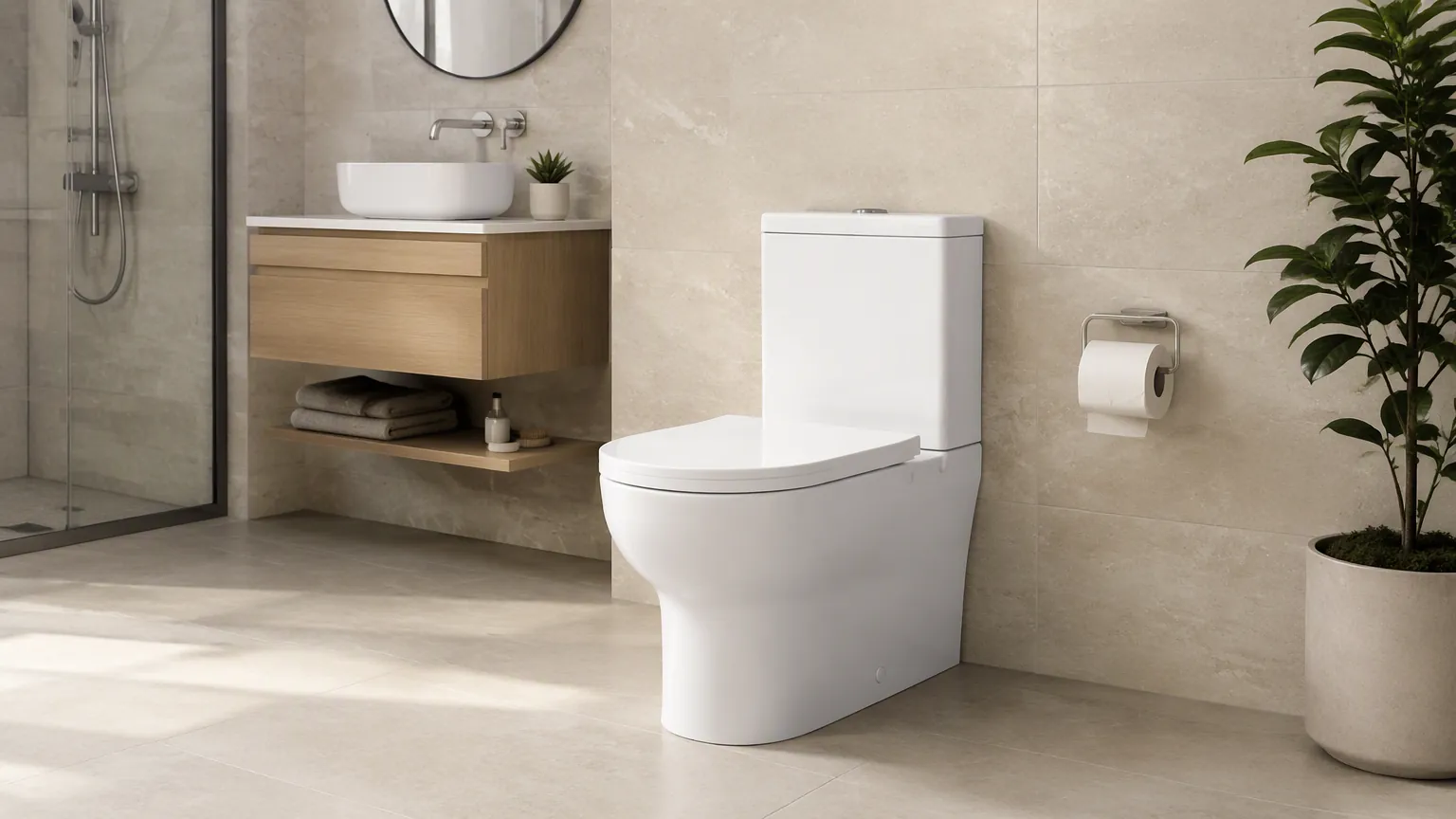
Geçen kış, Mumbai’deki bir tedarik müdürü ekibimize tek satırlık bir talep gönderdi. Talep şöyleydi: klozet, 600 adet, beyaz, en uygun fiyat. Üç hafta sonra Nhava Sheva'ya bir konteyner geldi, ancak kimse tek bir üniteyi bile monte edemedi. Çizimde, 180 mm çıkışlı iki parçalı P-sifonlu klozet talep ediliyordu. O binadaki tüm atık boruları duvarın içinden geçiyordu. Konteynerde ise 250 mm çıkışlı tek parçalı S-sifonlu klozetler vardı. Ardından ikinci sorun ortaya çıktı. 600 üniteden 120’si aslında hiç koltuklu tuvalet olarak tasarlanmamıştı. Müşteri, personel bloğunda çömelme tipi klozetler istiyordu, ancak tek bir belirsiz kelime bu ayrımı sessizce ortadan kaldırmıştı. O talepte kimse yalan söylememişti. Herkes, iletişimin her iki tarafında da farklı bir anlama gelen bir terim kullanmıştı.
Bir komodin tuvaletin ne anlama geldiği, pasaporta göre değişir
Sözlükten başlayın, çünkü mesleki anlam ile günlük kullanımdaki anlam birbirinden uzaklaşmıştır. Merriam-Webster, “commode” kelimesi için dört anlam belirtmektedir, ve bunlardan sadece biri tuvalettir. Diğerleri ise alçak bir dolap, bir lavabo ve bir lazımlık saklayan bir sandalyeyi ifade eder. Bu son anlam, hastanelerde ve bakım evlerinde hâlâ satın alma kararlarını yönlendirmektedir. Dolayısıyla, “commode” kelimesini okuyan bir Kuzey Amerikalı alıcı, seramik bir lazımlık değil, yatak başı yardımcısı olarak hayal edebilir.
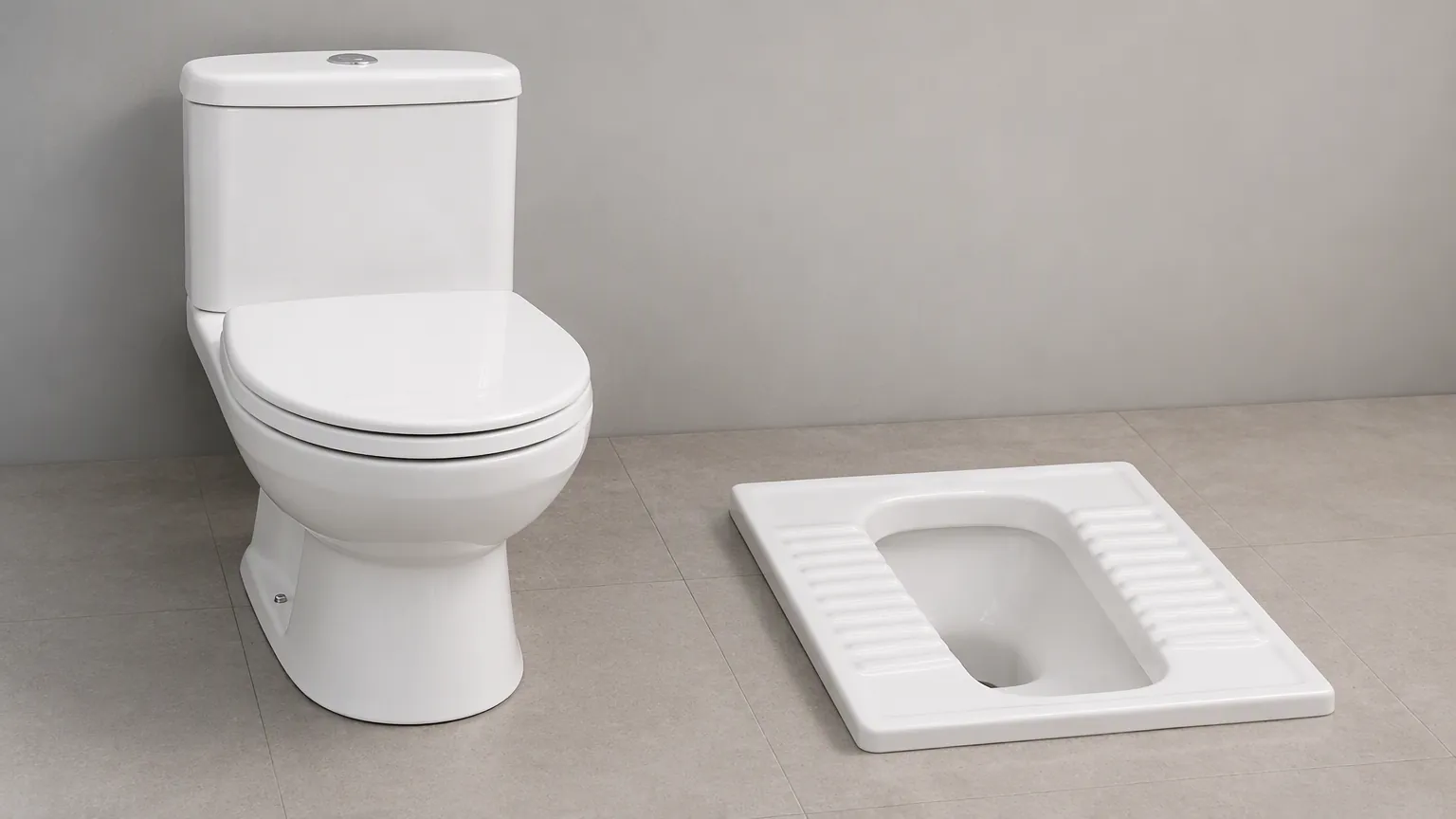
Şimdi Güney Asya satın alma terminolojisine geçelim. Hindistan, Pakistan ve Bangladeş’te “commode” tuvalet, basitçe oturmalı tuvalet anlamına gelir. Satıcılar bu terimi, Hint tarzı çömelme tuvaletinin zıttı olarak kullanır. Showroomlar, stoklarını tam da bu ayrım doğrultusunda sınıflandırır. Körfez bölgesindeki alıcılar, Güney Asya tedarik zincirlerinden aynı alışkanlığı benimser ve bunu İngiliz çizim terminolojisiyle harmanlar. Öte yandan, Avrupa ve Kuzey Amerika teknik şartnamelerinde neredeyse hiçbir zaman “commode” ifadesi kullanılmaz. Bunun yerine “WC”, “water closet” veya “pan” yazılır.
Dolayısıyla, tek bir kelime en az üç ürün kategorisini ve bir adet tıbbi mobilya parçasını kapsar. Fabrikanız bunu, kendi pazarında en çok satan ürünlere göre uyarlayacaktır. Bu uyarlama, siz bir fiyat teklifi görmeden önce, sessizce gerçekleşir.
Bir komodin tuvaleti, bir Batı tipi tuvalet ve bir WC genellikle aynı tuvalet armatürünü ifade eder
İşte çoğu alıcının gözden kaçırdığı nokta budur. On vakadan belki de sekizinde, bu üç isim tek bir nesneyi ifade eder. Bu nesne, sifonlu, klozetli ve zemine ya da duvara bağlı bir cam porselen klozettir. İsimler, ürüne göre değil, konuşana göre farklılık gösterir.
| Dönem | Kimler kullanıyor? | Genellikle ne anlama gelir? | Tek başına okuduğunuzda ortaya çıkan risk |
|---|---|---|---|
| Tuvalet sandalyesi | Güney Asya ve Körfez ticaret masaları | Çömelme tipi klozetin aksine, oturmalı klozet | Batı’daki bakım kanallarında yatak başı tuvalet sandalyesi olarak sunulabilir |
| Batı tipi tuvalet | Güney Asya, Güneydoğu Asya, Afrika | Oturmalı tuvalet, kesinlikle çömelmeli değil | Priz, sifon veya montaj hakkında hiçbir şey belirtilmemiştir |
| Tuvalet / WC | Çizimler, İngiliz ve Körfez teknik özellikleri | Mobilya ve genellikle oda | Duvara asılan, zemine monte edilen ve duvara yaslanan modelleri de kapsar |
| Tava | Ticaret ve tesisatçılık argosu | Sadece seramik gövde | Sifon, klozet kapağı ve bağlantı parçaları hariçtir |
| Çömelme tavası / Hint tavası | Güney Asya, Körfez bölgesinin bazı kısımları | Çömelme pozisyonunda kullanılan, zemin seviyesinde bir sabitleme aparatı | Gömme veya yükseltilmiş bir platform detayı gerektirir |
Şu Britannica’daki “su tuvaleti” maddesi WC teriminin kökenini seramik ürünün kendisinden ziyade kapalı odaya dayandırır. Bu tarihçe, sıkça rastlanan bir karışıklığı açıklar. Bir çizimde tüm banyo “WC” olarak adlandırılabilirken, bir satın alma siparişinde aynı harfler tek bir klozet için kullanılabilir. Dolayısıyla bu kısaltma, montaj şekli, sifon yönü veya tesisat hazırlığı hakkında hiçbir bilgi vermez.
Çizimi Değiştiren Tek Fark: Oturmak mı, Çömelmek mi?
İsimleri bir kenara bırakırsak, tek bir kararın odayı tamamen yeniden şekillendirdiği görülür. Oturmalı tuvalet, kullanıcının bitmiş zemin seviyesinden yaklaşık 400 mm yukarıda olmasını sağlar. Çömelme tipi tuvalet ise zeminin içine veya üzerine yerleştirilir. Dolayısıyla, drenaj sistemi, zemin kalınlığı ve kullanıcının duruşu hep birlikte değişir.
Pratik sonuçlar, çoğu planın öngördüğünden daha geniş kapsamlıdır. Çömelme tipi klozet için ya döşemede bir girinti ya da yükseltilmiş bir platform gereklidir. Bu ayrıntı, yapısal çizime erken aşamada dahil edilmelidir. Oturmalı klozet için ise merkez hattının yanında ve önünde boş alan bulunmalıdır. Temizlik prosedürleri de farklılık gösterir; çünkü çömelme tipi klozet hortumla yıkanırken, oturmalı klozet silinerek temizlenir. Kullanıcı beklentileri de farklılık gösterir ve bu durum binaya göre değişir. Birçok pazarda personel lojmanları, okullar ve ulaşım merkezleri, umumi tuvaletlerde hâlâ çömelme tipi klozetlerin bulunmasını beklemektedir. Konuk odaları ve özel dairelerde ise oturmalı klozetler beklenir. çömelme aparatlarının referans açıklaması Bu makale, söz konusu duruşu ve bunun tesisat açısından doğurduğu sonuçları ayrıntılı olarak ele almaktadır.
Öyleyse asıl önemli olan soruyu sorun. Adını ne koyacağımız değil, bu odayı kimlerin kullandığı ve onların nasıl bir duruş bekledikleri.
Bir Komodin Tuvalet Teklifinde Neler Yanlış Gidebilir?
Çıkış boyutları belirtilmeyen bir komodin tuvalet teklifi, bir teklif değildir. Bu, tahminde bulunmaya davet niteliğindedir. Meslek jargonuna dayanan projelerde dört tür hata durumu tekrar tekrar ortaya çıkar.
Fabrika, kendi kataloğundan yanıt veriyor. Bir tedarikçi “komodin” kelimesini okur, en çok satan ürün serisini kontrol eder ve buna göre fiyat belirler. Sizin projeniz için gizli sifonlu, duvara yaslı bir ünite gerekebilir. Bu durumda karşılaştırdığınız fiyat, tamamen farklı bir ürün grubuna ait olur.
Tuzak yönü varsayılır. S-sifon zemin üzerinden, P-sifon ise duvar üzerinden tahliye edilir. Çoğu fabrika, ihracat bölgelerinde hangi tipin daha yaygın olduğuna göre varsayılan ayarını yapar. Bu varsayılan ayar, Mumbai'ye gönderdiğimiz sevkiyatın neden 250 mm'lik S-sifonlu lavabolarla geldiğini açıklıyor. Talep formunda tesisat hazırlığı ve çıkış geometrisiyle ilgili bilgiler eksikse, üretim aşamasına gelmeden bu uyumsuzluğu kimse fark edemez. Kendi karşılaştırmamıza göre S-sifon ve P-sifon tipleri ölçüm sırasını açıklamaktadır.
The rough-in gets rounded. A 300 mm rough-in and a 400 mm rough-in look identical on a price list. Against a finished wall they behave very differently. That single number decides whether the cistern sits flush or stands proud of the tiles.
The paperwork stops matching the goods. Invoice descriptions built on a nickname invite questions at customs. Officers compare the declared description against the goods, against the certificate, and against the model code on the carton. When those three disagree, containers wait, and demurrage accrues daily.
How a Commode Toilet Spec Should Read Instead
Write the fixture as a parameter set. Then, if you like, put the local nickname in brackets for your own team. The parameters do the work. A complete line reads roughly like this. Floor-mounted two-piece, P-trap 180 mm outlet, siphonic, dual flush 3/6 L, vitreous china, soft-close UF seat, SASO certified, white.
Every word in that line removes an assumption. Mounting settles whether the floor or the wall carries load. Trap direction and outlet size settle the drainage interface. Flush type settles noise and trapway geometry. Flush volume settles the water submission. Material settles durability and cleaning. Certification settles whether the shipment clears.
Where your project sits in a market with strict product conformity, that last parameter deserves its own line. Saudi projects, for instance, run product conformity against SASO requirements before shipment. North American and several Gulf specifications instead lean on IAPMO listings. IAPMO publishes the certification scope that buyers can check directly. European buyers ask for CE documentation, and Australian projects ask for a WaterMark licence. Our breakdown of CE and cUPC evidence for importers shows what a credible certificate file looks like.
Also state the rough-in explicitly. Our porcelain toilet dimensions and rough-in guide gives the measurement points that installers actually use on site.
Flush Performance Sits Outside the Naming Question
Buyers often treat the word commode as though it carried a performance class. It does not. A seat toilet can use a wash-down action or a siphonic action, and the two behave differently in service. Wash-down relies on the momentum of water leaving the rim, so it clears fast and runs louder. Siphonic pulls the bowl contents through a trapway, so it runs quieter and needs a larger water seal. Hotels usually prefer the quieter option for guest floors. Schools and transit buildings often accept the louder option for its simpler trapway. Our siphonic versus wash-down comparison covers the trade-off in depth.
Water volume is a separate axis again. In the United States the EPA WaterSense product programme sets a maximum flush volume for labelled toilets. Many green rating systems worldwide borrow that figure. Gulf green building regulations set their own fixture budgets. So a project in Dubai or Abu Dhabi can demand a different number from a project in Riyadh. Therefore never let a nickname carry the water story. State the flush volume in litres, state the test standard, and attach the test report.
Material Language Adds a Second Layer of Confusion
Terminology confusion does not stop at the product name. Ceramic, porcelain, and vitreous china get used interchangeably on quotations, and the differences matter for a commercial specification. Vitreous china describes a body fired to a low absorption rate. That rate drives staining, crazing, and long-term odour. Porcelain and ceramic describe families rather than grades. So a supplier can use any of the three words honestly while delivering quite different bodies.
Ask for the absorption figure and the standard behind it, not the adjective. Then hold the approved sample against the shipment. Our porcelain versus ceramic comparison walks through the numbers worth requesting.
Verify Every Commode Toilet Shipment Before It Leaves the Factory
Verification takes twenty minutes per model and prevents most of the disputes that follow. Run it in this order.
- Measure the outlet centre against the approved drawing, and photograph the tape in place.
- Dry-fit the seat and lid, then check that the hinge covers sit flush with the pan.
- Run three flushes with the supplied fittings and watch the refill valve reseat.
- Inspect the glaze under a raking light, and mark any pinhole or orange-peel area.
- Weigh one packed carton and confirm it matches the packing declaration.
- Read the carton print against the invoice description and the certificate model code.
That last step catches the paperwork failure, which is the one that costs calendar time rather than money. A mismatch found in the factory takes an afternoon to fix. The same mismatch found at the port takes weeks.
Regional Buyer’s Map: Which Word Opens Which Door
Use the local term to be understood, then confirm in parameters. The table below reflects how our own enquiries arrive.
| Market | Common term on the enquiry | What to confirm immediately |
|---|---|---|
| India, Pakistan, Bangladesh | Commode, western toilet, Indian pan | Seat versus squat, then trap direction |
| Saudi Arabia | WC, western toilet | SASO conformity model code, flush volume |
| UAE, Qatar, Kuwait | WC, wall-hung WC | Mounting method, concealed cistern framing |
| Güneydoğu Asya | Water closet, closet | Rough-in and outlet size |
| Europe | WC, pan | CE documentation, flush volume |
| North America | Toilet, water closet | cUPC listing, 1.28 gpf or lower |
| Afrika | Commode, WC | Trap direction, packaging for long haulage |
Gulf projects deserve one extra note. Much of the region’s specification culture arrives through South Asian and British practice. So commode, WC, and western toilet can appear on the same drawing set. Our Saudi Arabia procurement guide maps the certification and documentation path for that market.
What a Commode Toilet Order Looks Like Two Years Later
Naming mistakes surface at handover. Real cost shows up in year two. By then the seats have taken the load, the flush valves have cycled a few thousand times, and somebody has asked for spares.
Seats and lids fail first. A soft-close hinge loses its damping long before the ceramic cracks, and a broken lid puts a unit out of service as surely as a broken pan. So order spares with the shipment rather than after it. Two to three percent of seat and lid volume covers most multi-year projects, and adding them to the original container costs almost nothing in freight.
Then the model leaves production. Factories refresh moulds every few years, and a commode toilet bought without a spares commitment can become an orphan overnight. Ask the supplier to state how long the seat mould will stay available, and get that in writing. In our experience the honest answer runs between three and seven years.
Colour drift is the quiet version of the same problem. White is not one colour. A replacement pan from a later batch can sit beside the originals and read slightly cooler, and a hotel corridor shows that difference immediately. Therefore keep a sealed reference panel for the life of the project.
Mixing seat and squat fixtures doubles the spare problem. Each variant adds a stock line, so a project carrying both types should plan two spare lines from the first order.
Packing, Breakage, and the Replacement Clause
A commode toilet order that ships without a packing clause has already accepted the breakage risk. Ceramic travels badly when packing is cheap. A carton that survives a port transfer can still fail on the last leg, particularly on long overland hauls into African and Central Asian markets.
Specify the packing instead of accepting it. Ask for the carton grade, the internal protection method, and whether pallets or wooden crates carry the load. Then ask what happens when units arrive broken, and read the answer slowly. A clause allowing claims within seven days of arrival, supported by photographs of the carton and the unit, is workable. A clause demanding the broken goods back before any replacement is not.
Agree the replacement route before the first container ships. Most factories credit the value against the next order, which suits repeat projects and fails one-off jobs. Ask instead for immediate replacement on the following shipment where the volume justifies it.
Frequently Asked Questions
Is a commode the same as a western toilet?
In South Asian and Gulf trade usage, yes. Both terms describe a seat toilet. Neither term specifies the outlet direction, the mounting method, or the rough-in. Both remain incomplete on a purchase order.
Why do Western suppliers sometimes quote a chair?
Because commode retains its furniture and care-equipment senses. Those senses survive in English outside the trade. A supplier outside South Asia or the Gulf has no reason to assume you mean a ceramic pan.
Should the drawings say WC or water closet?
Either works, provided the schedule carries the parameters. Drawings use WC as a room and fixture label, and the specification schedule carries the product definition.
Does the naming affect the HS classification?
Classification follows the product and its material, not the trade nickname. Still, customs officers read the invoice description first, so align that description with the goods and the certificate.
Contractor’s Checklist Before You Order
- State mounting type, structure, trap direction, and outlet size in one line.
- State rough-in in millimetres, measured to the finished wall.
- State flush type, flush volume, and the test standard behind them.
- State the body material, the absorption figure, and the standard.
- Name every required certification, and attach the certificate number to the model code.
- Confirm seat and lid material, hinge type, and soft-close function.
- Agree the packing standard and the breakage replacement clause.
- Approve a sealed sample and reference it on the purchase order.
The Verdict
Commode, western toilet, and WC are social words. They help you be understood in a market, and they carry almost no engineering content. A project that orders on those words alone transfers the definition to whoever reads the enquiry first. That party will always choose from its own catalogue.
Write the parameters instead. One line of mounting, trap, outlet, rough-in, flush volume, material, and certification removes every guess in this article. Use the local word afterwards if it makes the meeting easier. Keep the parameters on the purchase order, where the money is.