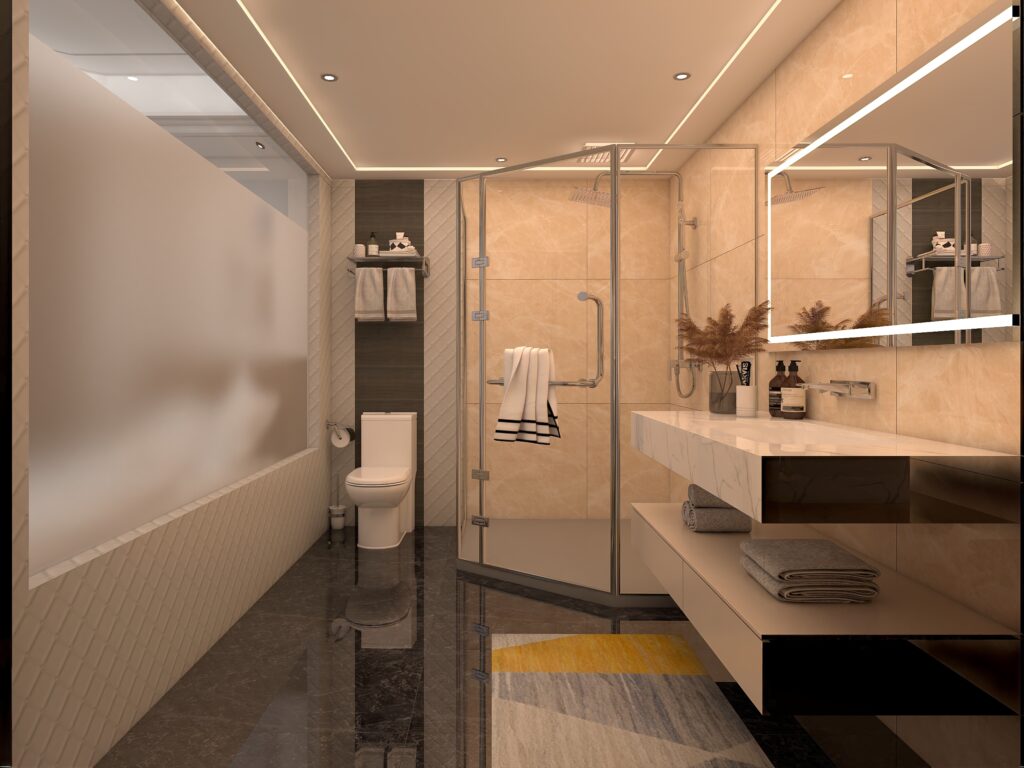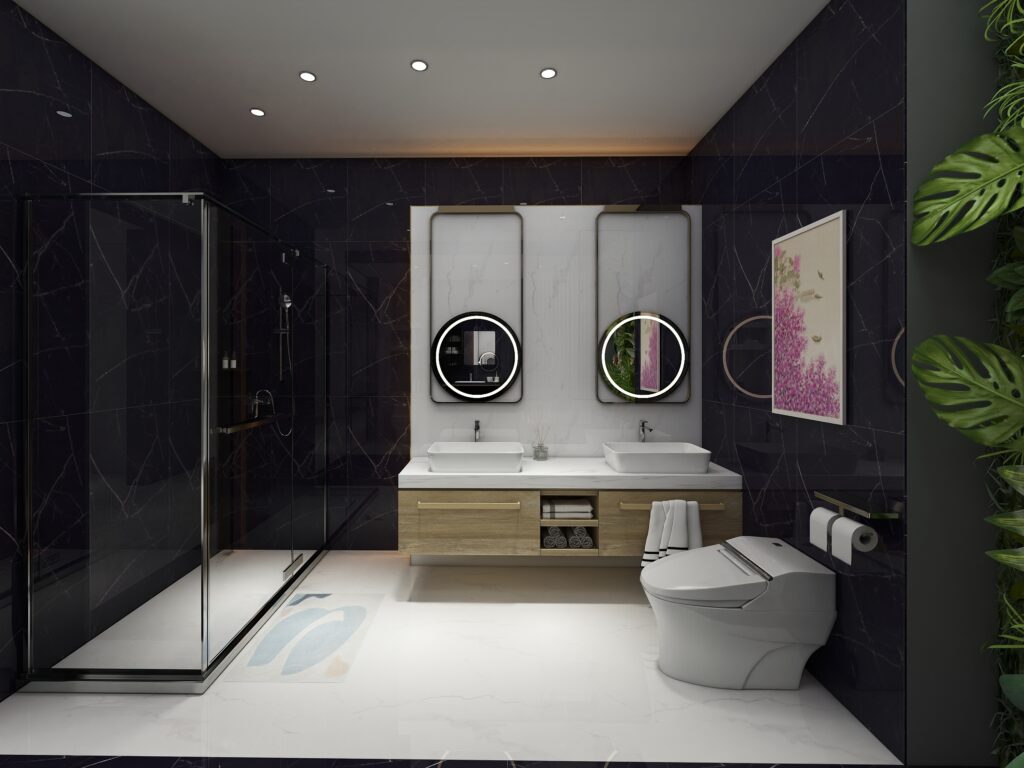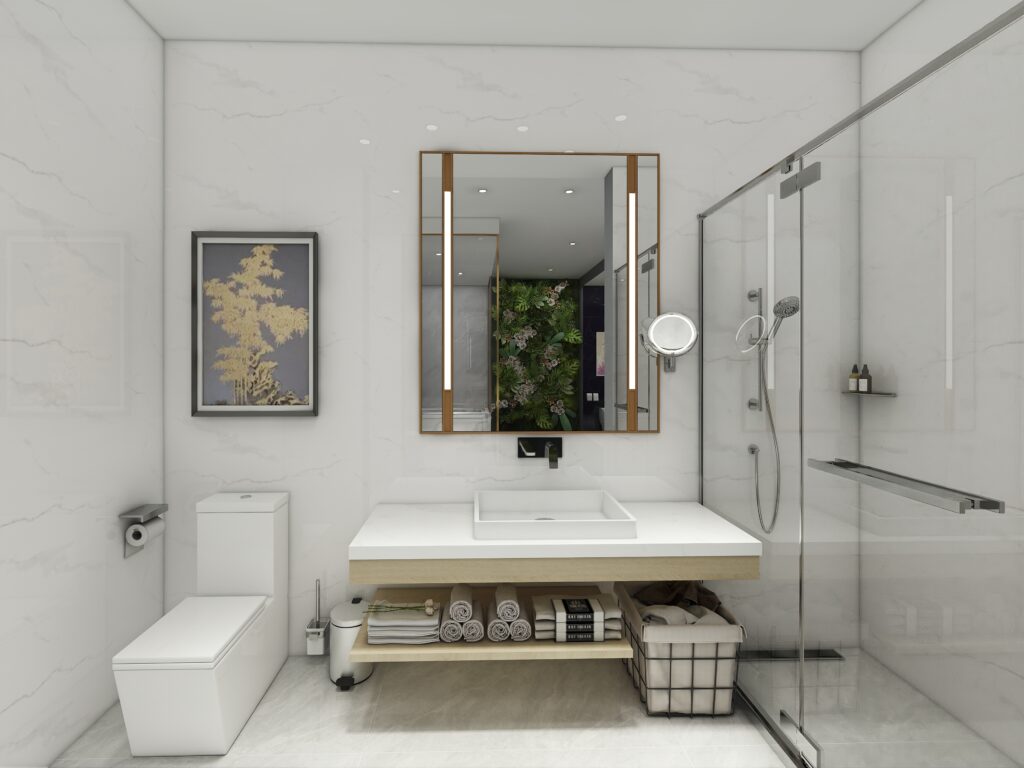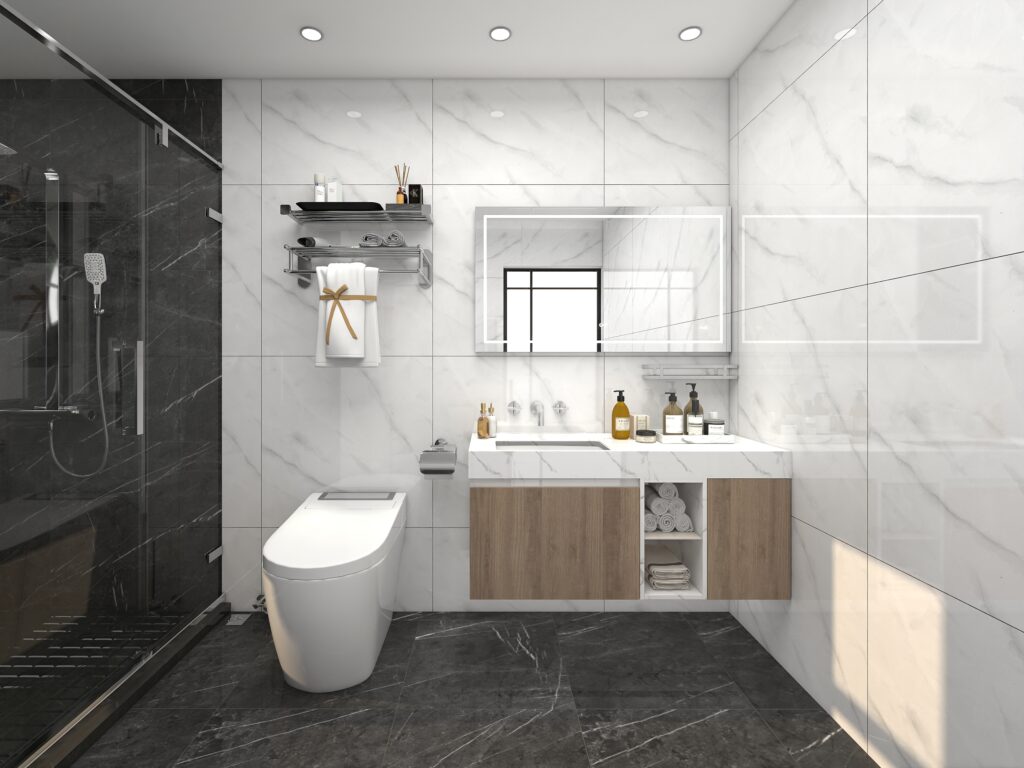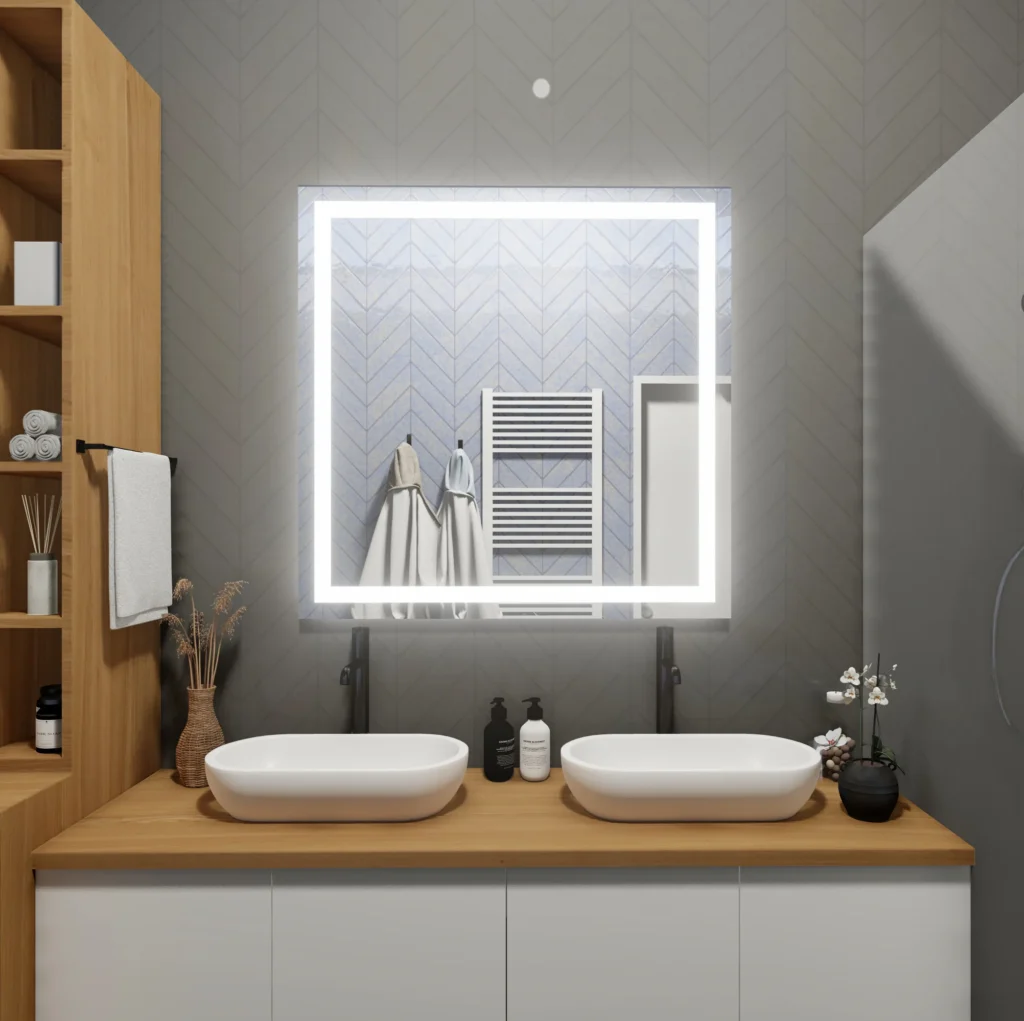

What if the secret to a bigger-feeling bathroom wasn’t a major renovation, but simply a smaller sink? Choosing the right type of tiny washbasin can do more than just save a few inches. Some of the most effective space saving basin ideas work by playing a clever trick on your eyes, creating an illusion of space that makes the whole room feel more open and stylish.
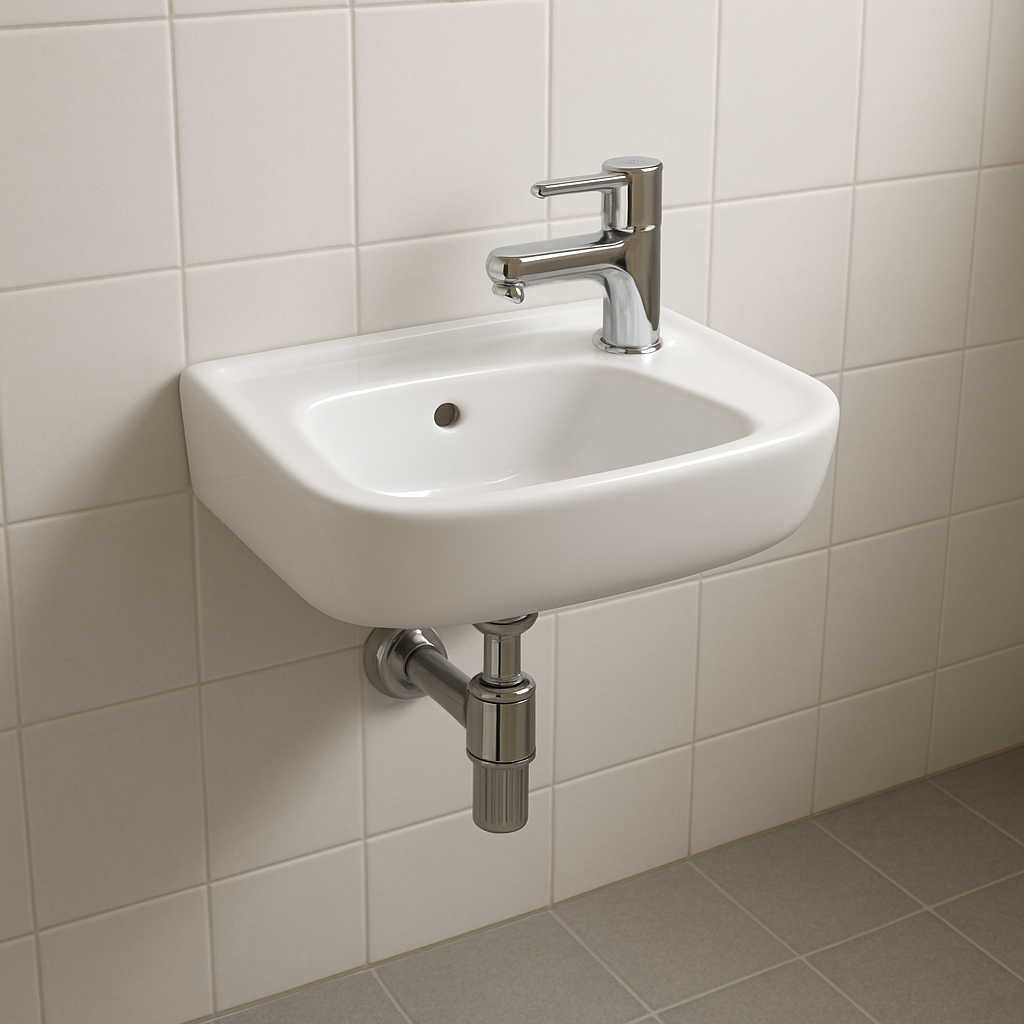
A perfect example is a sink that hangs directly from the wall, often called a wall mounted cloakroom sink. Think of it as a floating shelf for washing your hands. Because this design frees up the floor completely, your line of sight is uninterrupted. This simple visual cue, as many interior designers will tell you, tricks the brain into perceiving the entire room as larger and less cluttered.
With nothing underneath the basin to hide them, the pipes are left exposed. This means the standard plastic plumbing that forms the drain, known as the trap, will be on full display. This isn’t a drawback but a design consideration; turning this practical part into a stylish feature is a key detail for even the tiniest bathroom sink, and it’s easier than you think.
What to Do with That Awkward, Unusable Corner?
Every tiny bathroom seems to have one: that empty corner that serves no purpose other than collecting dust. This is where a corner basin becomes a game-changer. Designed to tuck neatly into a 90-degree angle, this type of sink transforms wasted space into a fully functional hand-washing station, instantly adding value to the room.
This clever design is particularly brilliant for small, square layouts or the classic under-the-stairs powder room where a standard sink would block the door. A corner sink for a powder room keeps the main walkway clear, making the entire space feel more open and usable. It’s often the most effective way to fit the smallest sink possible without it feeling like an afterthought.
Before you commit, do one quick check. Stand in the corner and imagine the sink is there. Will you still have enough room to comfortably walk past it and fully open the door? This simple test ensures your new tiny bathroom sink solves a problem without creating a new one. If corners aren’t your main issue, a countertop basin offers another stylish hack to consider.
Can a Sink Sit on a Shelf? The Modern Countertop Basin Hack
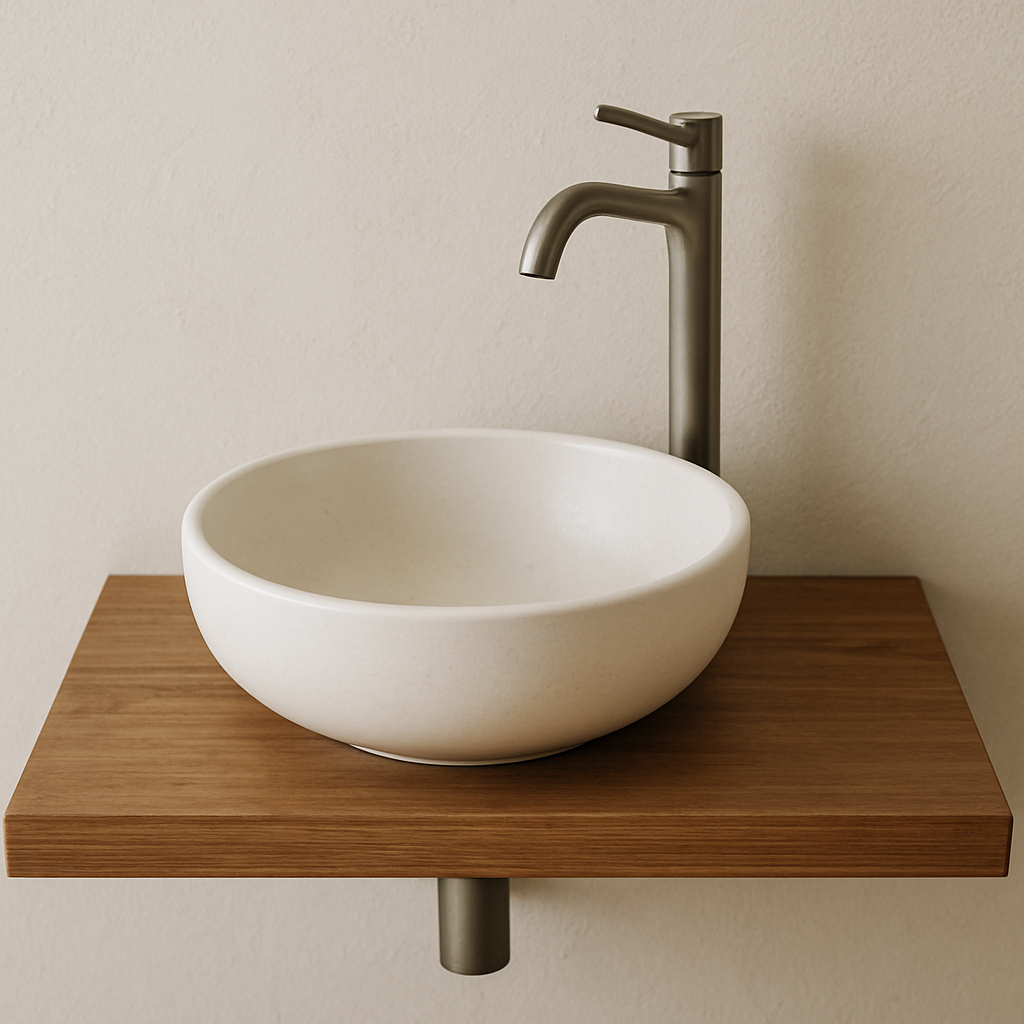
Yes, and some of the most cool sinks for small spaces are designed to do just that. This style is called a countertop basin, and it’s essentially a beautifully shaped bowl that sits on top of a surface rather than being sunk into it. By pairing one of these basins with a simple floating shelf, you can create a custom look that’s both airy and incredibly practical.
This combination gives you the effect of a narrow depth bathroom vanity without any of the bulk. Because the shelf and basin are mounted to the wall, the floor beneath remains completely clear. Just like with a wall-hung sink, this clear line of sight is a powerful design trick that makes the entire bathroom feel more spacious and open. It’s a popular choice for achieving the clean lines found in modern contemporary bathroom sinks.
Unlike sinks where the basin takes up the entire unit, a countertop basin on a slightly wider shelf leaves you with valuable surface area. This gives you a dedicated spot for a soap dispenser or a toothbrush holder, keeping clutter off the tiny edges of the sink itself. These basins aren’t just a style statement; they’re a smart use of limited space.
Beyond White Ceramic: What’s the Best Material for a Small Sink?
When you picture a bathroom basin sink, you’re probably thinking of classic, glossy ceramic. It’s the traditional workhorse for a reason, but it’s no longer the only option, especially if you’re aiming for a sleek, modern look. The material you choose affects not just the durability but the entire style of your basin.
Each material has distinct advantages, creating a trade-off between classic toughness and modern design flexibility. Here’s a quick breakdown:
- Ceramic: The go-to for decades.
- Pros: Extremely tough, scratch-resistant, and very easy to clean.
- Cons: Can be heavy, and the manufacturing process makes super-sharp lines and ultra-thin edges difficult to achieve.
- Solid Surface/Resin: The modern challenger.
- Pros: Lightweight and can be molded into very slim, sharp, and creative shapes—perfect for a modern bathroom sink.
- Cons: Often more expensive and can be more prone to fine scratches than ceramic (though these can sometimes be buffed out).
If you want bomb-proof durability that will look great for years, ceramic is a safe bet. If your heart is set on a minimalist, sharp-edged contemporary sink that makes a design statement, a solid surface resin will deliver that high-end look.
What About the Pipes and Taps? Finishing Your Small Sink Setup
Choosing a compact sink often simplifies your tap choice. Most small models use a single faucet for hot and cold water, known as a monobloc tap. Because a mini basin with single tap hole needs less room for fixtures, it helps keep the look clean and uncluttered, giving you more usable basin space.
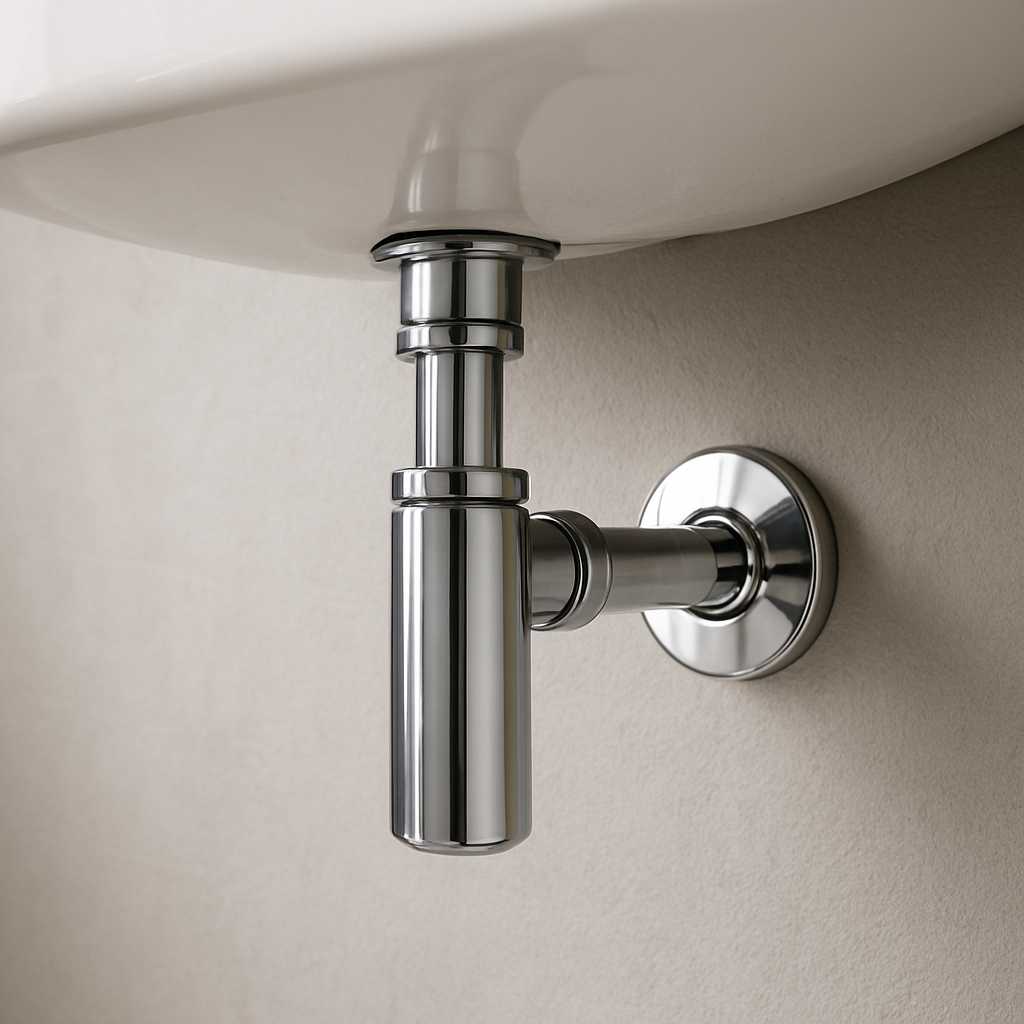
With wall-hung sinks, the plumbing underneath is visible. The drain pipe, or “trap,” has two main styles. The standard is a white plastic P-trap, but for a cleaner look, you can choose a bottle trap. As the photo shows, this sleek metal cylinder looks like a planned part of the design, not just a functional pipe.
This is a simple detail that makes a big impact on your space saving basin ideas. If your pipes are hidden in a cabinet, the standard trap works perfectly. For an exposed basin, however, a bottle trap provides a polished, high-end feel.
Your 3-Step Plan for the Perfect Small Washbasin
Choosing the right sink is a powerful design tool for creating space and style. Follow this simple plan to select the best small washbasin for your bathroom:
- Pick Your Type: Choose Wall-Hung, Corner, or Countertop based on your room’s layout and your desired style.
- Select Your Material: Decide between the classic durability of Ceramic or the sharp, modern lines of a solid surface Resin.
- Plan the Finishing Touches: Complete your setup with a space-saving monobloc tap and decide between a standard P-trap or a stylish bottle trap for exposed plumbing.