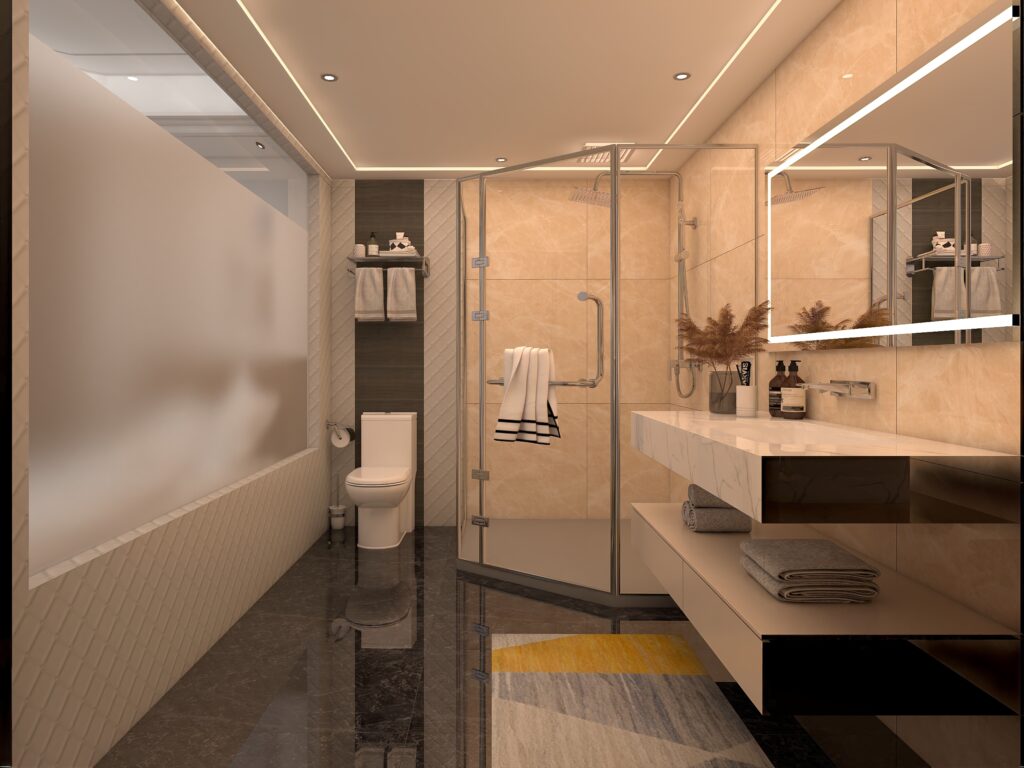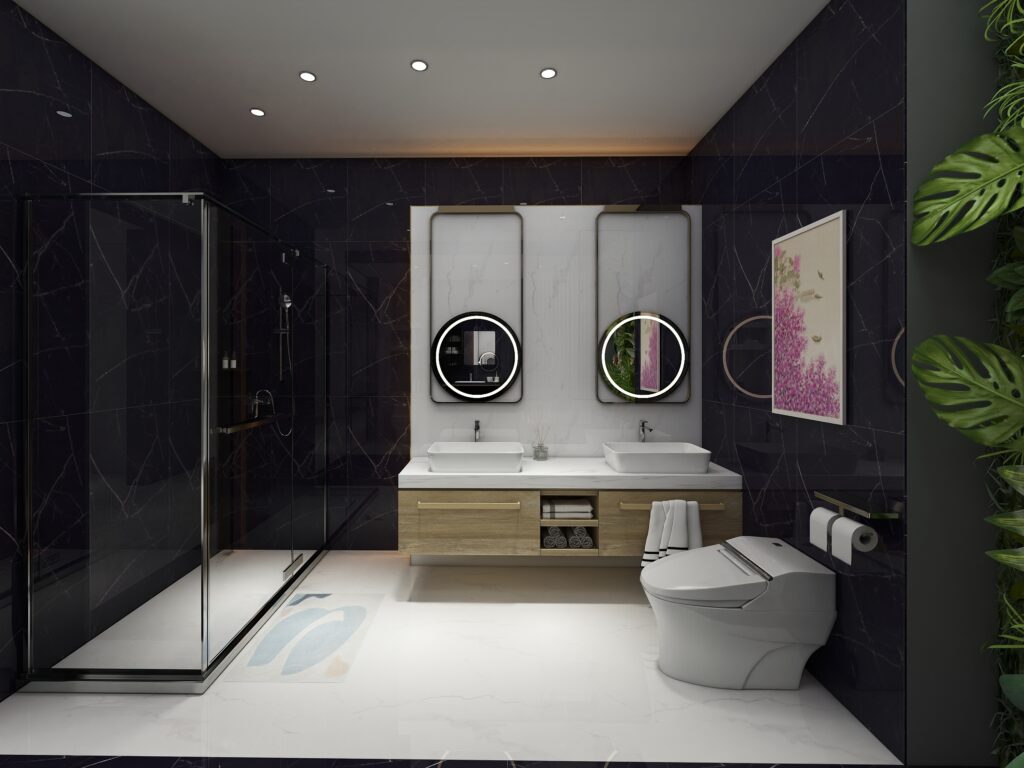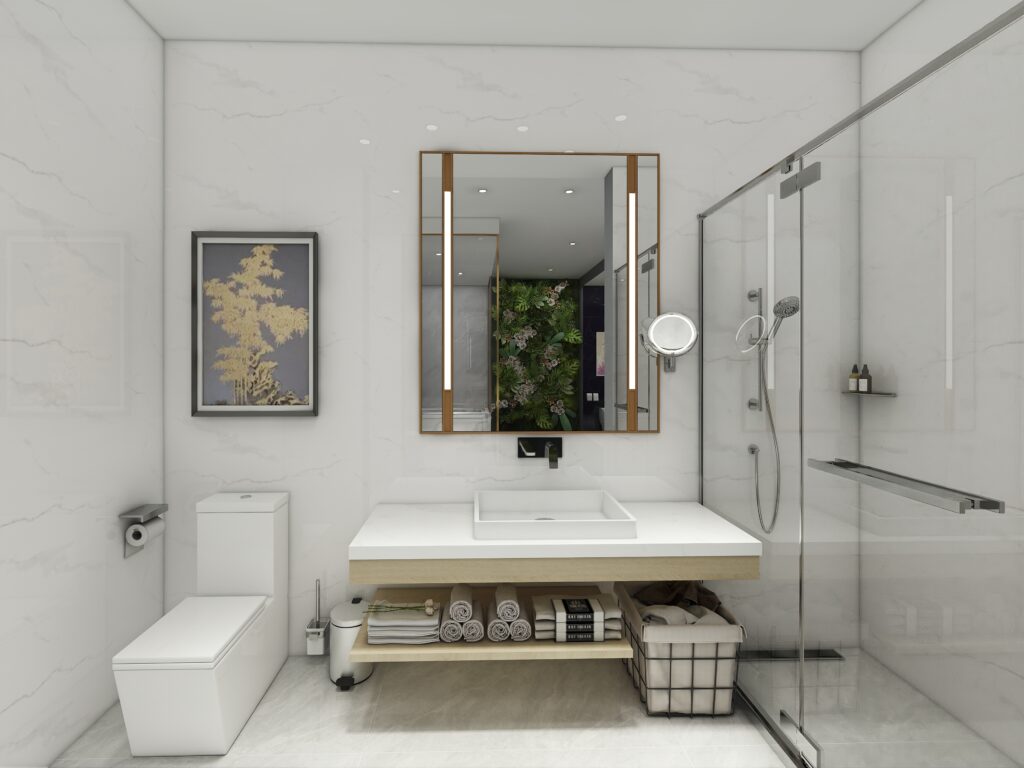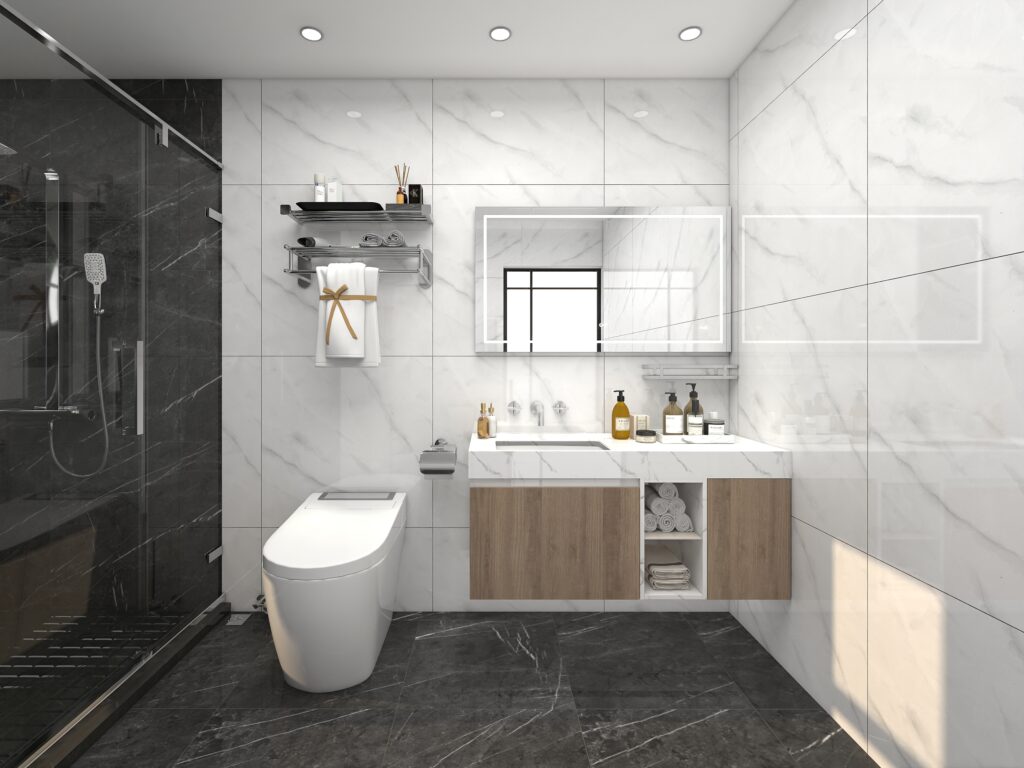

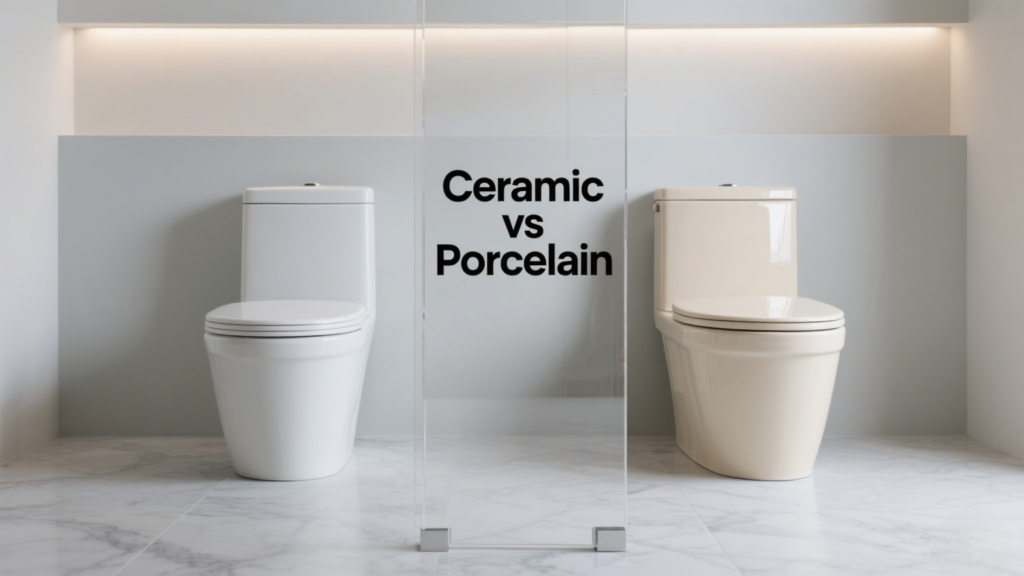
Ceramic and porcelain toilets are two of the most widely used bathroom fixtures globally, yet many homeowners struggle to tell them apart due to their similar appearances. While porcelain is technically a subset of ceramic, the two differ significantly in manufacturing processes, material properties, durability, and cost. This guide breaks down their key characteristics, pros and cons, and ideal use cases to help you make an informed decision for your bathroom renovation or upgrade.
1. What Are Ceramic Toilets?
Ceramic toilets have been a staple in households worldwide for decades, valued for their reliable performance and adaptability. They are crafted from a clay-based mixture (often combined with small amounts of minerals) that is shaped and then fired at high temperatures (typically 1,200–1,400°C) to harden into a sturdy material.
Key Advantages of Ceramic Toilets
- Exceptional Durability: High-quality ceramic toilets resist cracking, scratching, and leakage. They can withstand daily heavy use and moderate temperature fluctuations without losing their structural integrity—making them suitable for busy households.
- Versatile Aesthetics: Available in a wide range of colors, shapes, sizes, and designs. The classic white ceramic toilet is a timeless choice, as it seamlessly complements both vintage and modern bathroom decor. This versatility makes it a long-term investment that won’t clash with future design updates.
- Easy Cleaning & Maintenance: Ceramic surfaces are glazed, smooth, and low-porous, preventing dirt and liquid from adhering. Regular cleaning with mild soapy water keeps them looking new; tough stains (such as water marks) can be easily removed with common toilet cleaners like Domestos, Glo, Sagrotan, Tazo, or Ecozone.
- Budget-Friendly: Compared to porcelain and stainless steel toilets, ceramic models are generally 20–30% more affordable. They are the top choice for middle-class and lower-middle-class households in countries like the USA, Germany, Russia, and Colombia, offering great value for money.
- Specialized Variants: Options like RV ceramic toilets cater to niche needs. These lightweight, compact models are ideal for camping, traveling, or RV living—thanks to their easy cleaning, low maintenance, and affordability.
Common Disadvantages of Ceramic Toilets
- Susceptible to Damage: Low-quality or thin ceramic can chip or crack if hit by heavy objects. Extreme temperature changes (e.g., pouring boiling water directly into the bowl) may also cause damage over time.
- Chemical Sensitivity: While ceramic resists most cleaning products, overuse of abrasive or harsh chemicals (such as acidic cleaners left in the bowl long-term) can wear down the glaze, leading to fading, discoloration, or even surface damage. This not only harms the toilet but also poses risks to skin (residue can irritate sensitive skin) and the environment.
- Potential Yellowness/Watermarks: Irregular cleaning or prolonged exposure to harsh chemicals can cause ceramic to develop yellowing or stubborn watermarks, requiring more frequent deep cleaning to maintain its appearance.
Related Ceramic Bathroom Accessories
Ceramic’s durability extends to bathroom accessories, including:
- Ceramic Toilet Roll Holder: Sturdier than plastic alternatives, it adds a cohesive look to ceramic toilet setups.
- How to Remove a Ceramic Toilet Roll Holder: Locate the screws under each bracket; use an Allen wrench, Phillips-head screwdriver, or flat-head screwdriver to loosen them. Remove the toilet paper roll and spring-loaded bar, then push the holder down while angling the end upward to detach it from the mounting bracket.
- Ceramic Cat Toilet Brush Holder: A trendy, functional decor piece—shaped like a cat, it features a slot for storing a toilet brush while adding a playful touch to the bathroom.
Ceramic Toilet HS Code
The HS code for ceramic toilets is 69120030, a standardized code used globally to classify and track the product’s specific attributes for trade and customs purposes.
2. What Are Porcelain Toilets?
Porcelain toilets are a premium subset of ceramic, made from a refined mixture of clay (often kaolin) and minerals (like feldspar and quartz). They are fired at much higher temperatures (1,400–1,600°C) than standard ceramic, resulting in a denser, non-porous material with enhanced strength. Most porcelain toilets also feature a specialized glaze that boosts stain and scratch resistance.
Key Advantages of Porcelain Toilets
- Superior Durability: The high firing temperature makes porcelain denser and stronger than standard ceramic. It is highly resistant to chipping, cracking, and fading, even with heavy long-term use. Porcelain toilets typically have a lifespan of 20–30 years (vs. 10–15 years for ceramic), making them a long-lasting investment.
- Non-Porous Surface: Unlike some ceramic, porcelain’s non-porous surface prevents liquid absorption and dirt accumulation. This means fewer stains, less mold growth, and easier cleaning—even with minimal effort.
- Premium Aesthetics: Porcelain has a lustrous, smooth finish (often called a “China coating”) that exudes elegance. It is available in various designs, including rimless models, dual-flush systems, one-piece/two-piece styles, and even heated seats, making it perfect for bathrooms where appearance is a top priority.
- Low Maintenance: The non-porous glaze and dense structure mean porcelain toilets rarely develop watermarks or discoloration. A quick wipe with soap and water is usually enough to keep them looking pristine.
Common Disadvantages of Porcelain Toilets
- Higher Cost: Porcelain’s refined materials and high-temperature firing process make it 30–50% more expensive than standard ceramic. While the durability justifies the price for many, it may be out of budget for cost-conscious buyers.
- Still Prone to Chipping: Though more resistant than ceramic, porcelain can still chip if struck by heavy objects (e.g., dropping a metal toilet brush holder). Repairing chips in porcelain is also more difficult and costly.
- Potential Discoloration: While stain-resistant, porcelain can develop discoloration if dirt, mold, or mineral deposits (like limescale) are left untreated for long periods. Regular maintenance is still required to preserve its appearance.
3. Ceramic vs. Porcelain Toilets: Head-to-Head Comparison
| Feature | Ceramic Toilets | Porcelain Toilets |
|---|---|---|
| Material Composition | Clay-based mixture (with minor minerals) | Refined clay (kaolin) + feldspar/quartz |
| Firing Temperature | 1,200–1,400°C | 1,400–1,600°C |
| Density & Porosity | Moderate density; low-porous (with glaze) | High density; non-porous |
| Durability | Good (10–15-year lifespan) | Excellent (20–30-year lifespan) |
| Scratch/Stain Resistance | Good (glaze protects surface) | Excellent (dense structure + specialized glaze) |
| Aesthetics | Classic, versatile; less glossy | Premium, lustrous finish; more elegant |
| Cost | Affordable (budget-friendly) | Expensive (premium pricing) |
| Cleaning Difficulty | Easy (requires regular maintenance) | Very easy (non-porous surface resists dirt) |
| Ideal Use Case | Budget-conscious households, RVs, rental properties | Luxury bathrooms, long-term homes, high-traffic areas |
4. Conclusion: Which Should You Choose?
- Choose a Ceramic Toilet If: You’re on a budget, prioritize versatility, or need a specialized model (like an RV toilet). Ceramic works well for rental properties, small bathrooms, or households that update decor frequently.
- Choose a Porcelain Toilet If: You’re willing to invest in long-term durability and premium aesthetics. Porcelain is ideal for primary bathrooms, luxury homes, or anyone who wants a low-maintenance fixture that will last decades.
Both options are reliable, but your choice ultimately depends on your budget, design preferences, and how long you plan to use the toilet.