
A facilities manager in Dubai asked our team for eighteen pan swaps last year. His budget allowed a ceramic bowl only, so a toilet bowl replacement looked like the thrifty call. Then the first unit came off the floor and the flange underneath had corroded through. Two rooms needed new tile because the pan had been bedded on mortar. Then the matching cistern turned out to be a discontinued model. So the saved tanks could not bolt to any new pan in stock. The final invoice ran about 40 percent above a full replacement. Worst of all, seven rooms sat out of service for an extra week.
Contractors face this fork constantly. A cracked pan, a stained trapway, or a failed glaze prompts one question. Replace the bowl, or replace the whole toilet? The instinct is to save the expensive parts and swap the broken one. Yet that instinct ignores how toilets are matched to the room and to each other. This article works through the six factors that decide the answer. Then it gives you a decision table and spec lines that make the next swap cheap.
What a Toilet Bowl Replacement Actually Involves
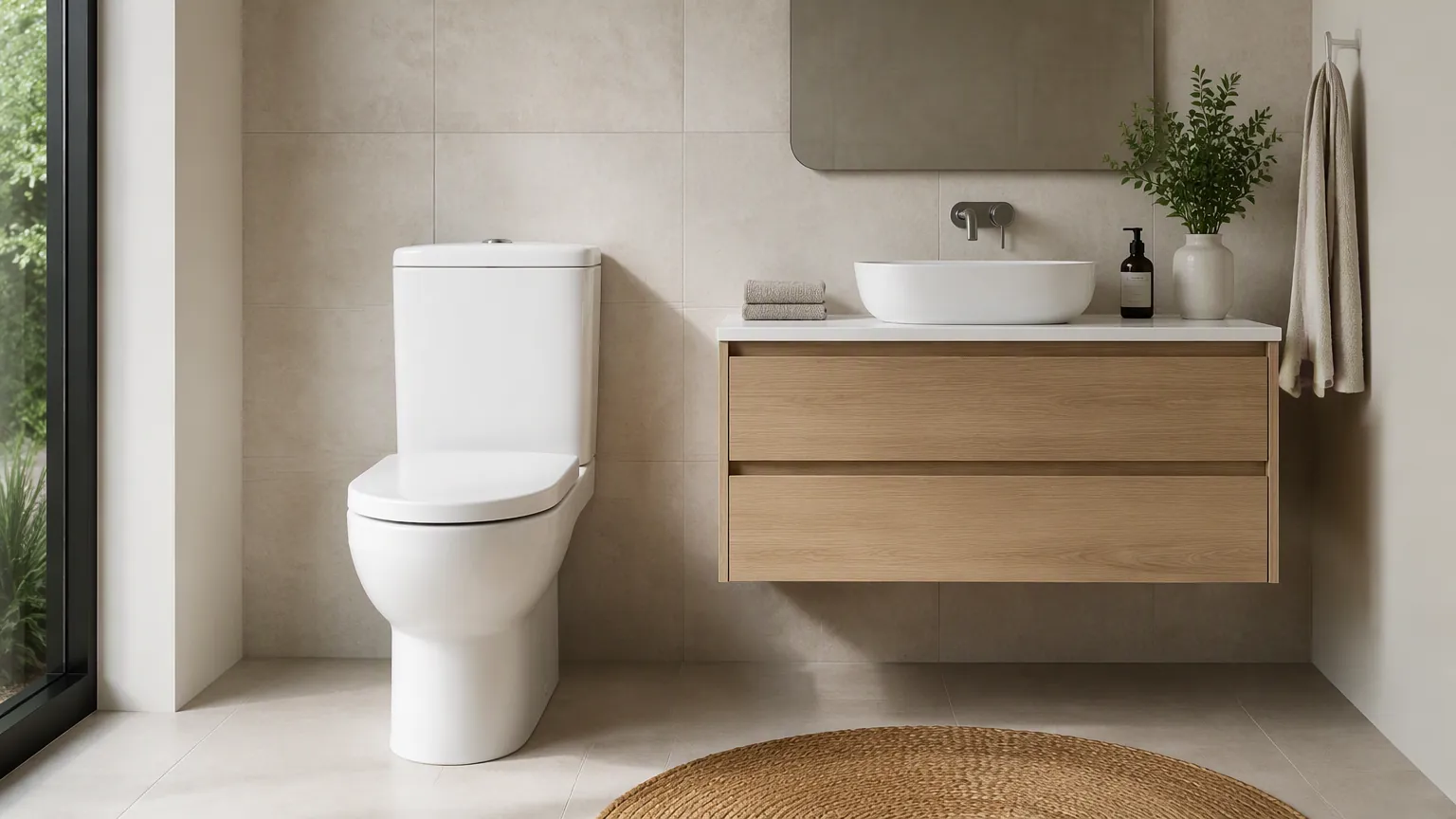
A toilet bowl replacement removes the ceramic pan and leaves the cistern, the seat, and the flush fittings in place. In theory you keep three components and buy one. In practice the pan is the component that defines geometry. It sets the rough-in, the outlet direction, and the footprint, and everything else must follow it.
So the real question is not what you save by keeping parts. The real question is simpler. Can a new pan mate with the old tank, the old seat, and the drain? Each of those three interfaces can fail independently. When even one fails, the saving disappears. You buy the whole unit anyway, plus the labour of finding out mid-job.
Note also that most manufacturers do not sell pans in isolation for long. Stock pans exist during a model’s active life, then vanish. So a bowl-only strategy works only while the model is current. Our one-piece versus two-piece comparison shows why two-piece ranges hold spares longer.
The Three Measurements That Decide It
Before anyone quotes, measure these three things. They settle most cases on their own.
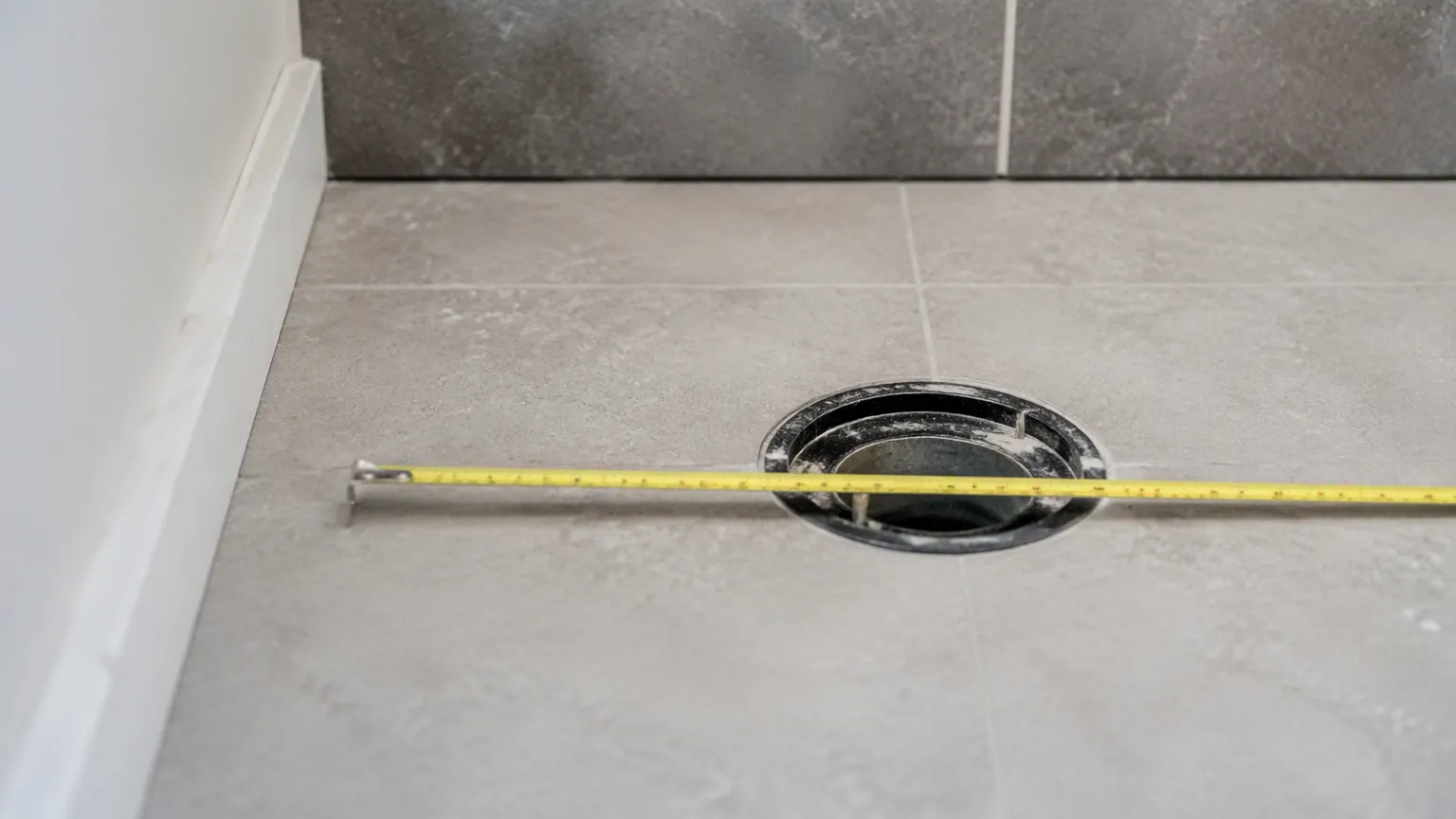
First, the rough-in. That is the distance from the finished wall to the centre of the floor outlet. Common figures are 305 mm and 400 mm, and tolerance is small. Our rough-in dimension guide covers the measurement method, because the finished wall matters, not the stud line.
Second, the outlet direction. Does the soil pipe leave through the floor or through the wall? A floor outlet needs an S-trap pan, while a wall outlet needs a P-trap. S-trap versus P-trap is not a preference question. Get it wrong and the pan cannot connect at all.
Third, the flange condition and its height relative to the finished floor. A flange that sits proud, sits too low, or has rotted out forces extra work. That holds whatever you buy. These three measurements take fifteen minutes per bathroom. They also prevent the costliest outcome in this category. That is a pan that arrives and cannot be fitted.
When the Cistern Cannot Stay
Even with perfect geometry, the old cistern often has to go. Three situations cause that.
The first is a discontinued model. Tank bolt spacing, tank outlet diameter, and gasket shape vary between ranges. So a pan from another family will not accept your old tank. That holds even in white, even from the same factory. Check the model code on the inside of the tank lid before you assume a match.
The second is a damaged tank. Cracks around bolt holes and hairline craze lines are the usual findings. A tank weeping above a finished ceiling is not a defect you hand over. Insurance assessors also treat water damage harshly. EPA leak guidance puts invisible leaks among the most common water losses. That tells you how often slow weeps go unnoticed.
The third is a mismatch in flush volume. Old tanks may hold 9 litres or more. New pans are engineered around 6 litres or less, and the jet geometry assumes that. Pairing an old high-volume tank with a modern low-volume pan usually flushes badly. Conversely a new labelled tank on an old pan may not clear the trapway. Either way the WaterSense product programme sets the flush volumes that current pans are designed around.
Colour, Glaze, and the Batch Problem
White is not one colour. Ceramic white varies by factory, by glaze batch, and by firing cycle. A new pan beside an existing tank, basin, or bidet from another batch can read visibly warmer or cooler. In a hotel bathroom where three white fixtures sit within two metres, that difference is obvious.
Experienced buyers therefore ask for a production batch commitment. Order every replacement pan from one batch, and ask the factory to state it on the proforma invoice. Where a whole bathroom is affected, replacing all fixtures together removes the problem entirely. That is often the cheapest route aesthetically, even if it costs more in ceramic.
Glaze age matters too. An old pan with a crazed or etched surface will not match a new glossy one. The surface sheen differs as much as the colour. So when the visible surfaces in a room are already tired, one new pan draws attention to everything around it. In those rooms, a full replacement is usually the better presentation call.
When a Crack Forces a Full Toilet Bowl Replacement Decision
Not every crack behaves the same way, and location decides the answer. A hairline on the outer skirt is often cosmetic, so a toilet bowl replacement fixes it cheaply. A crack through the trapway or the jet channel goes deeper. It leaks under flush pressure, and no sealant will hold it.
Then look at how the crack started. Thermal shock, an impact, and a mounting stress point tell three different stories. A crack from over-torqued floor bolts will return after a swap, because the cause stays behind. So fix the bedding and the bolt torque first, or the new pan cracks in the same place.
Finally weigh safety. A fracture wide enough to flex under load can cut a user. Ceramic edges are sharp, and a failure in service becomes a liability claim rather than a maintenance ticket. Therefore treat any structural crack as a whole-unit decision, and isolate the room until the work is done.
The Flange and the Seal: Where Hidden Costs Live
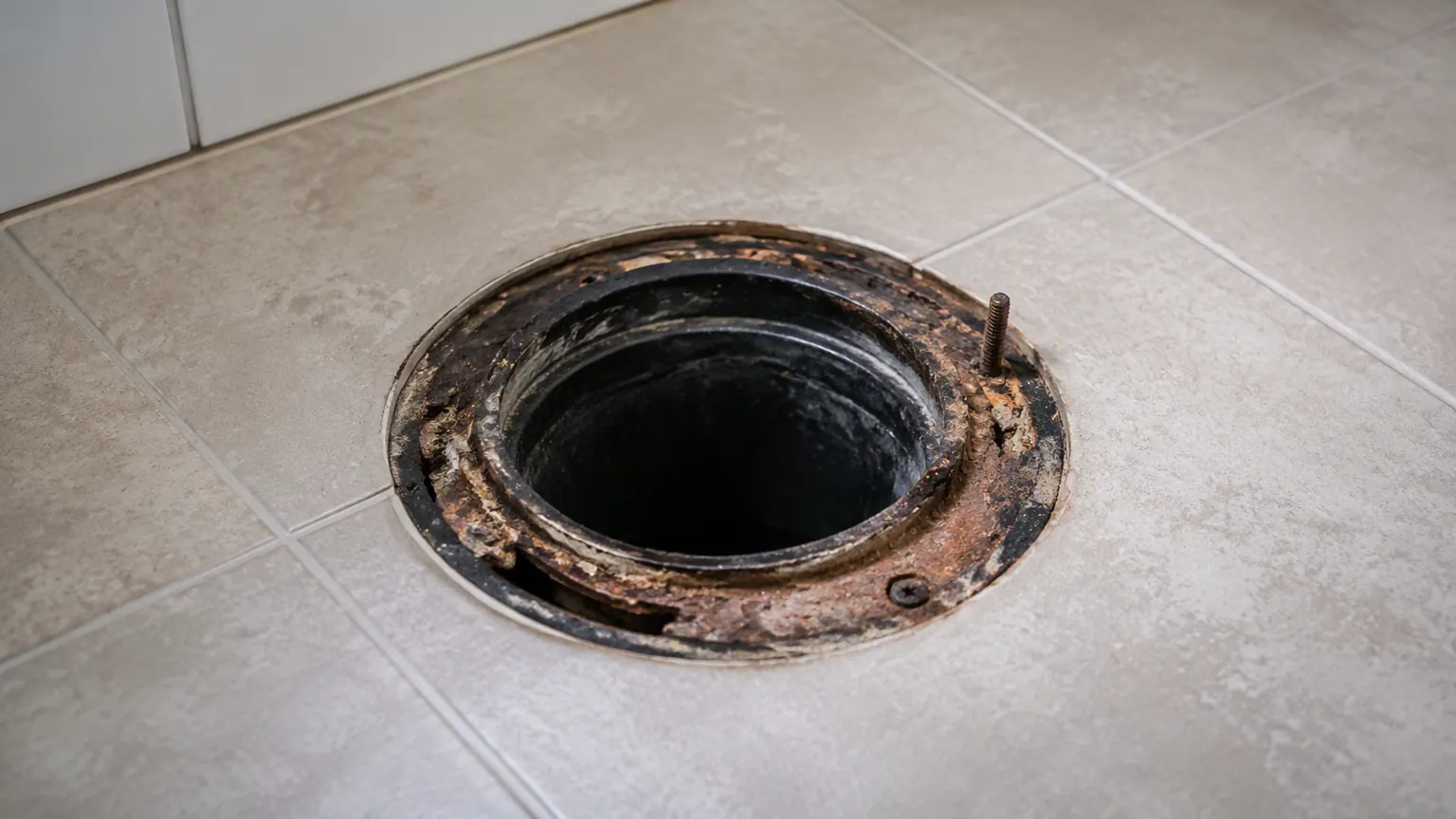
This is the line item that blows budgets. The closet flange connects the pan to the soil pipe, and it fails more often than people expect. Cast iron flanges rust, plastic flanges crack, and the fixing slots break when a technician over-torques a bolt. Once the flange is damaged, the floor must come up around it.
Seals are the second hidden cost. A wax ring is single-use, and any pan lift destroys it. Where a flange sits below the finished floor, a standard ring will not bridge the gap. Then you need a jumbo ring or a spacer. Neither is a decision to make at 9 pm with a room empty.
Water damage then compounds everything. A slow leak at the base rots subfloor and stains the ceiling below. ASSE International publishes plumbing device standards that most codes reference. Local inspectors will also look at the seal detail. So budget for a new flange and a new seal in every pan swap. If the existing ones test sound, you have a pleasant surprise rather than a crisis.
Breaking Out the Old China
Removing a bonded pan is slower and messier than most schedules allow. Pans bedded in mortar need chiselling, which risks the surrounding tile. Pans on a thin silicone bed come away cleanly, usually in under an hour.
Then there is dust and noise. An occupied hotel cannot tolerate hammer drilling in an adjacent room. Night work costs more in labour, and guest complaints cost more than both. Refurbishment in occupied buildings therefore favours fewer, faster visits, which argues for full replacement with a pre-assembled unit.
Disposal also carries a cost, and ceramic is heavy. A 25 kg pan plus a 14 kg tank fills a skip quickly. On a twenty-unit job that is a real line in the waste budget. Finally, note that old china can hide sharp edges, so crews need gloves and eye protection. ICC model codes set the safety framework most jurisdictions adopt for this kind of work.
The Room-Down Cost in Every Toilet Bowl Replacement Quote
Contractors price ceramic and labour. Owners pay for downtime, and downtime usually dominates.
Consider a hotel room at USD 120 average rate. One night out of service costs USD 120 in lost revenue plus the housekeeping reset. A pan swap usually needs the room for one day. The new pan must be set, sealed, and left to cure before use. A full replacement takes about the same time. So when both options occupy the room for one day, the downtime argument stops favouring the cheaper part.
Where the two options diverge is callback risk. A partial swap introduces more interfaces to fail, and each failure takes the room again. Our wholesale toilet pricing model treats a callback as roughly three times the original visit. Scheduling, guest handling, and lost room nights all drive that. Under that arithmetic, the option with fewer joints usually wins even at a higher parts cost. For rental apartments the same logic runs through lost rent and tenant goodwill. NAHB turnover guidance makes that clear for residential operators.
Warranty, Certification, and the Paper Trail
Mixing old and new components creates a warranty gap. The pan maker warrants the pan, the tank maker warrants the tank, and nobody warrants the assembly. When a leak appears at the joint, both parties can point at the other.
Certification adds a second layer. A complete unit carries a listing as a tested assembly. Bolt an old tank to a new pan and that listing no longer describes what is installed. IAPMO maintains certification listings that inspectors check by model number, and a mismatched pair will not appear anywhere in them. Projects under LEED or similar schemes also need documented water performance. A listed whole unit makes that evidence easier.
For commercial properties this paperwork matters more than the parts bill. An insurer or an auditor will ask which fixture is installed and whether it was tested as a unit. Therefore keep the model code, the certificate number, and the installation date in the asset register. It turns a future claim into a routine lookup.
A Toilet Bowl Replacement Decision Table for Real Jobs
| Situation | Bowl only | Whole toilet |
|---|---|---|
| Model still in production, tank sound | Yes, cheapest sound option | Overkill |
| Rough-in and outlet unchanged | Yes | Unnecessary |
| Flange damaged or corroded | No, floor work dominates | Yes, one visit |
| Tank discontinued or cracked | No, no matching pan | Yes |
| Colour batch mismatch visible | No, looks wrong | Yes, reset the room |
| Occupied hotel, night work only | Sometimes | Yes, faster and fewer visits |
| Commercial audit or LEED documentation | Risky | Yes, listed as tested |
| Multiple units across one floor | Sometimes | Yes, batch consistency |
Read the table as a rule of thumb. Bowl-only wins when the installation is young, the model is current, and the flange is sound. Everything else pushes toward a full unit. When four or more rows point right, stop debating and replace the whole toilet.
Now add the numbers. Take the pan price, add a new flange, a new seal, and two extra labour hours for discovery risk. Compare that with the whole-unit price plus standard labour. In our experience the gap closes faster than buyers expect, and the full unit then wins on risk alone.
What to Specify So the Next Swap Is Cheaper
Most of this pain is preventable at specification stage. Add these lines and the next replacement becomes a routine job:
| Spec line | Why it matters |
|---|---|
| Record the model code and production batch in the asset register | Makes a matching pan findable years later |
| Insist on one production batch per floor or per phase | Removes colour drift between rooms |
| Specify a documented rough-in on the drawing | Removes the measurement guess later |
| Require 10-year pan and cistern availability in writing | Keeps the bowl-only option alive |
| Require stainless or brass flange bolts | Rusted bolts are the usual discovery delay |
| Require silicone bedding, not mortar, where codes allow | Turns a two-hour breakout into a lift-off |
| Require two spare seals per ten units at handover | Removes the mid-job parts run |
| Keep one complete spare unit per thirty installed | Turns a room-down day into an hour |
Two habits make the biggest difference. Every later toilet bowl replacement also gets cheaper when the register already holds the model code. Standardise on one model per building, and buy the spares at the same time as the installation. Standardisation also lets maintenance teams swap parts between rooms, which is where the real lifetime saving sits. Our ceramic toilet bowl selection guide covers the durability side of that choice. Wikipedia’s flush toilet overview also explains the components being matched.
Frequently Asked Questions
Can you replace a toilet bowl without removing the tank?
Yes, and it is the standard approach for a bowl-only swap. You unbolt the pan, lift it off, and fit the new one, leaving the cistern in place. Check first that the new pan matches the tank bolt spacing and outlet size.
How long does a toilet bowl replacement take?
A clean swap runs one to two hours including removal, sealing, and testing. Discovery of a damaged flange or a mortar bed can double that. So always plan a second visit on older buildings.
Is a cracked toilet bowl dangerous?
A cracked pan can leak and can cut, so treat it as urgent. Isolate the room, shut the angle valve, and replace the pan rather than sealing the crack. Sealants do not hold on a moving ceramic fracture.
Does replacing the whole toilet improve flush performance?
Sometimes, yes. A new unit is engineered as one hydraulic system, and modern pans work to lower flush volumes. Pairing a new pan with an old high-volume tank often performs worse, not better.
Verdict: When a Toilet Bowl Replacement Stops Making Sense
The instinct to save the tank is understandable, but it prices the wrong thing. What matters is the number of room-days lost and the chance of a discovery on site. It also matters whether the finished room looks consistent. On those measures a full replacement wins more often than the parts bill suggests.
Our recommendation is straightforward. Choose a toilet bowl replacement only when three conditions hold together. The model must be current, the flange sound, and the colour batch matched. Otherwise replace the whole unit. The extra ceramic cost is usually smaller than one avoided callback, and the assembly stays listed, warranted, and documented.
Finally, spend fifteen minutes per bathroom on the three measurements before you quote. Rough-in, outlet, and flange condition decide this question more reliably than any price comparison. Write the model code and batch into the asset register while units sit on the pallet. The next crack then becomes an hour’s work, not a week’s negotiation.